
FACE
Bichectomy
Bichectomy in Istanbul — partial removal of the buccal fat pads to define the lower face. The operation we decline as often as we perform it: the wrong candidate ages poorly. Medical oversight Dr. Güleş, JCI-accredited hospitals. All-inclusive package from €1,350.
from €1,150 All-inclusive
Trusted by 10,000+ international patients
JCIAccredited Hospitals
T.C.Ministry of Health Licensed
ISAPSBoard-Certified Surgeons
4.9 ★Trustpilot · 1,200+ reviews
15+ yrsYears of Experience
8,000+Procedures Performed
Get Your Free Consultation
Our medical team will review your case and send you a personalized treatment plan within 24 hours.
Global Price Comparison
Save up to 77% in Istanbul
Typical all-inclusive prices by country. Sources: ASPS, RealSelf, major UK/US clinic rate sheets, 2025.
🇹🇷
Turkey (Istanbul)
from €1,150
save 77%
🇬🇧
United Kingdom
from €4,500
🇺🇸
United States
from €5,000
🇮🇹
Italy
from €3,500
🇩🇪
Germany
from €3,500
Duration
30–45 minutes
Anesthesia
Local + sedation
Hospital Stay
Day procedure
Back to Work
3–5 days
Recovery Time
1–2 weeks
Results Visible
1–3 months
Bichectomy — partial removal of the buccal fat pads — defines the lower face by removing the rounded volume under the cheekbone. It is a small, technically contained operation, and for the right candidate it produces a refined, more sculpted lower-face profile. For the wrong candidate, it produces a hollow appearance at 35 and an accelerated ageing signature at 50. The difference between these two outcomes is the candidate, not the surgeon.
Before we describe the operation, we need to be honest about who it is for — because this is the procedure we decline most frequently at consultation, and the one where the current wave of TikTok marketing has produced the worst set of regretted outcomes in the industry.
Who bichectomy is suitable for — and who should not have it
The right candidate has a genuinely rounded lower face, with buccal fat pads that remain visible even when the patient is at lean body weight; has tried weight loss and found that the face does not slim proportionately; is over twenty-eight years old — ideally over thirty — with a face that has reached its mature configuration; has photographic evidence of the same round-lower-face appearance across multiple years of weight fluctuation, confirming that the fullness is structural rather than weight-driven.
Who should not have this operation: anyone under twenty-five, in any circumstance — the face continues to refine with age, and removing fat permanently in early adulthood produces a gaunt 35-year-old; anyone with an already thin or oval face — the operation will produce a skeletal appearance in middle age; anyone with genuinely low body weight — the roundness is likely proportional to overall body fat, which fluctuates; anyone whose only motivation is a trend on social media — this is a permanent change to how your face will age, and trends change on monthly cycles.
We decline bichectomy for patients in these categories at consultation, honestly, and we explain why. We have watched enough patients return at 45 regretting a bichectomy done at 22 to understand the long-term consequence is not abstract.
What the operation does — and what it does not
Bichectomy removes a calculated portion of the buccal fat pad — the discrete, anatomically distinct fat pocket under the cheekbone. It does not remove jowl fat (a different tissue, addressed by lower-face lift or submandibular liposuction). It does not slim the lower face in an obese patient (the rounded appearance in obesity is generalised subcutaneous fat, not buccal fat). It does not "sculpt cheekbones" (the cheekbones themselves are bone; what changes is the shadow under them).
The result is a subtle but permanent refinement of the contour between the cheekbone and the mouth corner — a slight hollow under the cheekbone that reads as a more defined lower face in photographs. In the right candidate, the effect is refined. In the wrong candidate, it accelerates the appearance of ageing.
The surgery, step by step
Performed under local anaesthesia, usually without sedation. Duration thirty to forty-five minutes. Day-surgery procedure — you return to the hotel the same afternoon. In a JCI-accredited hospital, with an anaesthesiologist available on request.
The incision is internal — through the inside of the cheek, beside the upper molars — and leaves no external scar. The surgeon identifies the buccal fat pad, removes a measured portion (we remove conservatively on the first pass — we can always remove more in a revision, but we cannot put it back), and closes the internal incision with resorbable sutures.
Recovery
Week 1
Moderate swelling in the cheeks for the first three to five days. Soft diet for 72 hours — no crunchy food, no hot liquids. Antibacterial mouthwash for wound care. Mild bruising occasional. Desk work is realistic from day three to five.
Weeks 2–6
Swelling resolves progressively. The cheeks will first appear fuller (paradoxically) due to swelling, and will only begin to show the new contour between week three and week four. Final contour emerges around month two.
Months 3–12
Final shape settles between three and six months. The effect is permanent — the buccal fat pad does not regenerate.
Risks and realistic expectations
Honest risks: under-correction (we prefer it to over-correction, and say so up front — a minor revision at six months is simpler than trying to add volume back to an over-resected face); asymmetry that may require a small touch-up; temporary altered sensation inside the cheek; rare risk to the facial nerve branches if the anatomy has been approached carelessly (our technique respects the nerve plane explicitly).
The single risk we emphasise most at consultation is the long-term one: the face that looks good today will age with reduced fullness, and by 45 or 50 will appear gaunt in a way it would not have without the operation. This is not a surgical complication — it is a consequence of having removed structural fat permanently. For the right candidate, the trade-off is accepted and the long-term aesthetic remains good. For the wrong candidate, the trade-off is regretted.
Why Istanbul versus other destinations
For a precision operation of this kind, what matters is careful candidate selection and a conservative hand at the operating table. Our approach is deliberately cautious: we decline as often as we accept, we remove conservatively, and we do not sell the procedure as a quick trend-driven solution. JCI-accredited hospitals, experienced plastic surgeons, local anaesthesia day-surgery pathway.
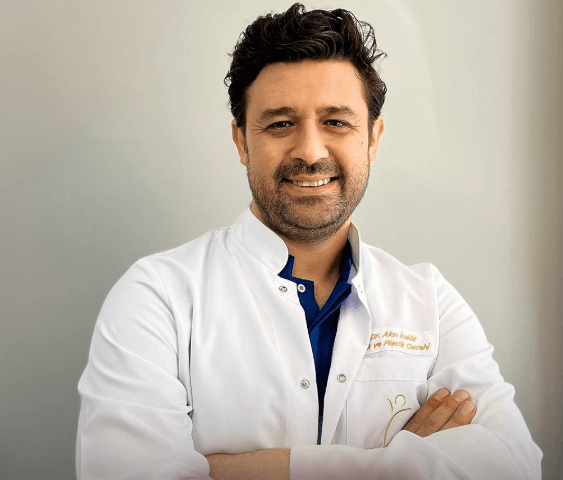
**Dr. Mustafa Ekrem Güleş** approves every patient clinically before surgery.
Why not the €400 bichectomy
On bichectomy, the rock-bottom price is paid in the candidate-selection failure. A clinic quoting bichectomy at €400 often performs it on any patient who books — without assessing whether the fullness is structural or weight-driven, without considering age-related consequences, and without declining unsuitable candidates. The result is a generation of 25-year-olds with hollow faces at 35.
What you pay for with us is verifiable: honest candidate assessment (including decline when indicated), conservative first-pass removal, pre-operative photographic planning, JCI-accredited hospital, follow-up at 1, 3 and 6 months via WhatsApp in English.
We say this plainly: if you are under 25, or have a thin face, we will not perform this operation
It is the most important sentence on this page, and we restate it for clarity. We would rather lose the booking than perform an operation we know will produce a regretted outcome. If your case is the wrong one for bichectomy, we will tell you so at consultation, we will suggest alternatives where relevant (cheek highlighting with filler, jawline definition with masseter botox, weight management), and we will not accept the deposit. It is the only honest way to practise this procedure.
English-speaking team — from first message to six-month follow-up
Our team replies in English on WhatsApp, phone and email. From the first photo-based assessment to the six-month review, your contact is consistent and English-speaking.
Request your free quote — our team replies in UK/IE business hours and in a second window covering US Eastern through Australian morning. Photo-based pre-assessment on the same day — and an honest answer, including the answer "you are not a candidate" when that is the truth.
What's Included
VIP airport transfer (pickup & drop-off)
Accommodation in 4-star partner hotel
Professional translator with 24/7 support
All hospital and surgery fees
Pre-operative blood tests & medical consultation
Anesthesia (general or local as required)
Post-operative medications & aftercare kit
1-year follow-up consultations
Dedicated WhatsApp patient coordinator (24/7)
Not Included
International flights to and from Istanbul
Additional hotel nights beyond the package
Personal expenses (minibar, spa, shopping)
Real Results
Before & After
Frequently Asked Questions
What is bichectomy surgery?
Bichectomy removes the buccal fat pads in the cheeks to create sharper facial definition and a more sculpted cheekbone appearance.
How long does bichectomy surgery take?
Bichectomy is a quick procedure taking 20 to 30 minutes, usually performed under local anesthesia on an outpatient basis.
What is the recovery time for bichectomy?
Recovery is rapid. Most patients return to work within 2-3 days. Swelling subsides within 1-2 weeks, with final results visible at 4-6 weeks.
How much does bichectomy cost in Istanbul?
Bichectomy in Istanbul costs €1,200 to €2,000, much more affordable than European pricing for the same surgical quality.
Will the results of bichectomy look natural?
Yes, when performed correctly by an experienced surgeon, bichectomy creates natural-looking facial definition without an over-sculpted appearance.
Are there risks with bichectomy?
Risks are minimal and include temporary swelling, bruising, and rare nerve involvement affecting cheek sensation. Most patients experience no complications.
Is bichectomy reversible?
Bichectomy is not easily reversible as the fat is removed. This makes it important to choose a surgeon who understands facial proportions and your individual anatomy.
Related Procedures

Deep Dive
All articles →Further Reading
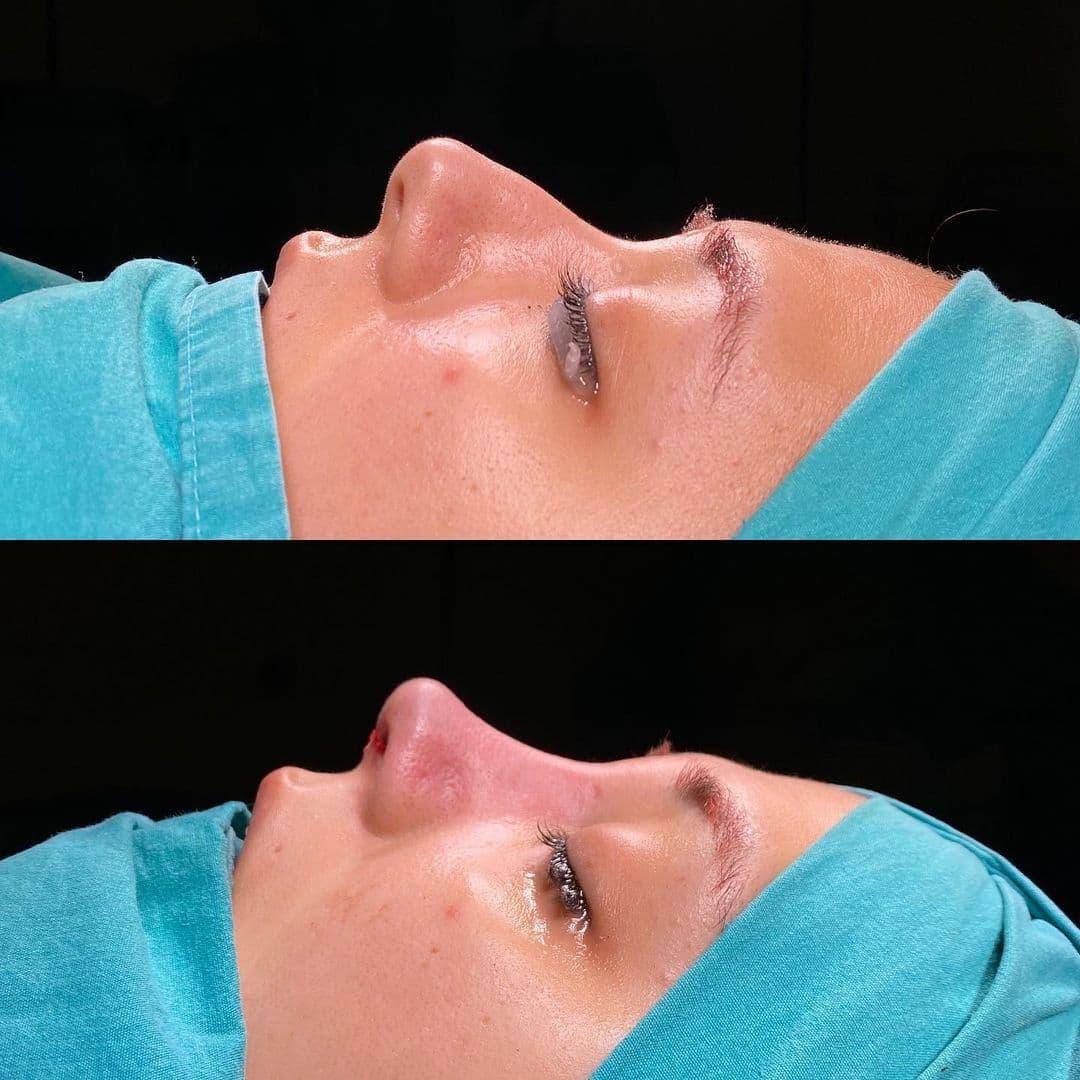
Rhinoplasty
Rhinoplasty in Istanbul: Complete Cost, Recovery & Results Guide
Complete guide to rhinoplasty in Istanbul including why the city is the rhinoplasty capital, surgeon expertise, costs 60-70% lower than Europe, recovery timeline, and natural results.
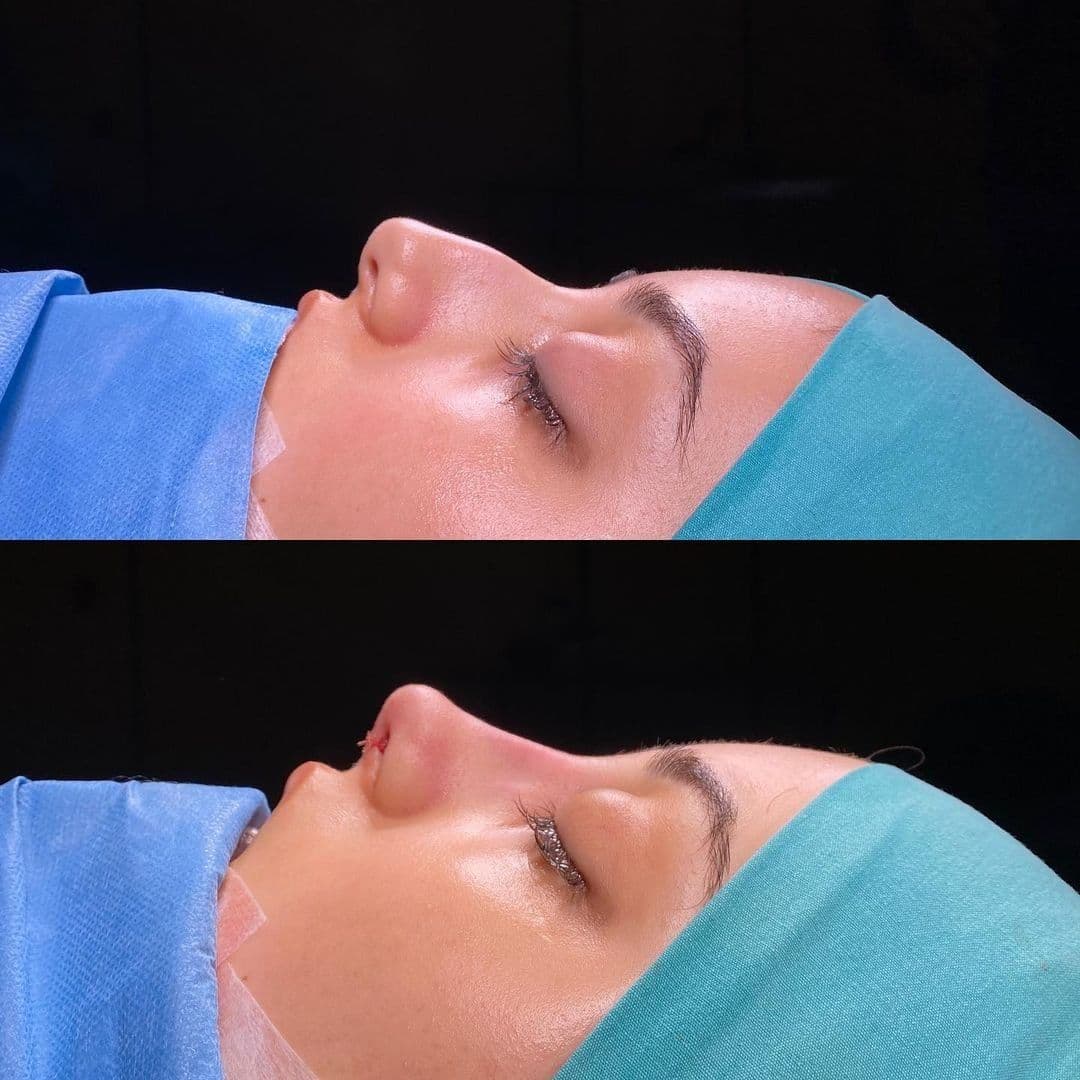
Rhinoplasty
Open vs Closed Rhinoplasty: What's the Difference and Which Is Better?
Understand the key differences between open and closed rhinoplasty techniques, including scarring, recovery time, precision, and which is better for your specific needs.
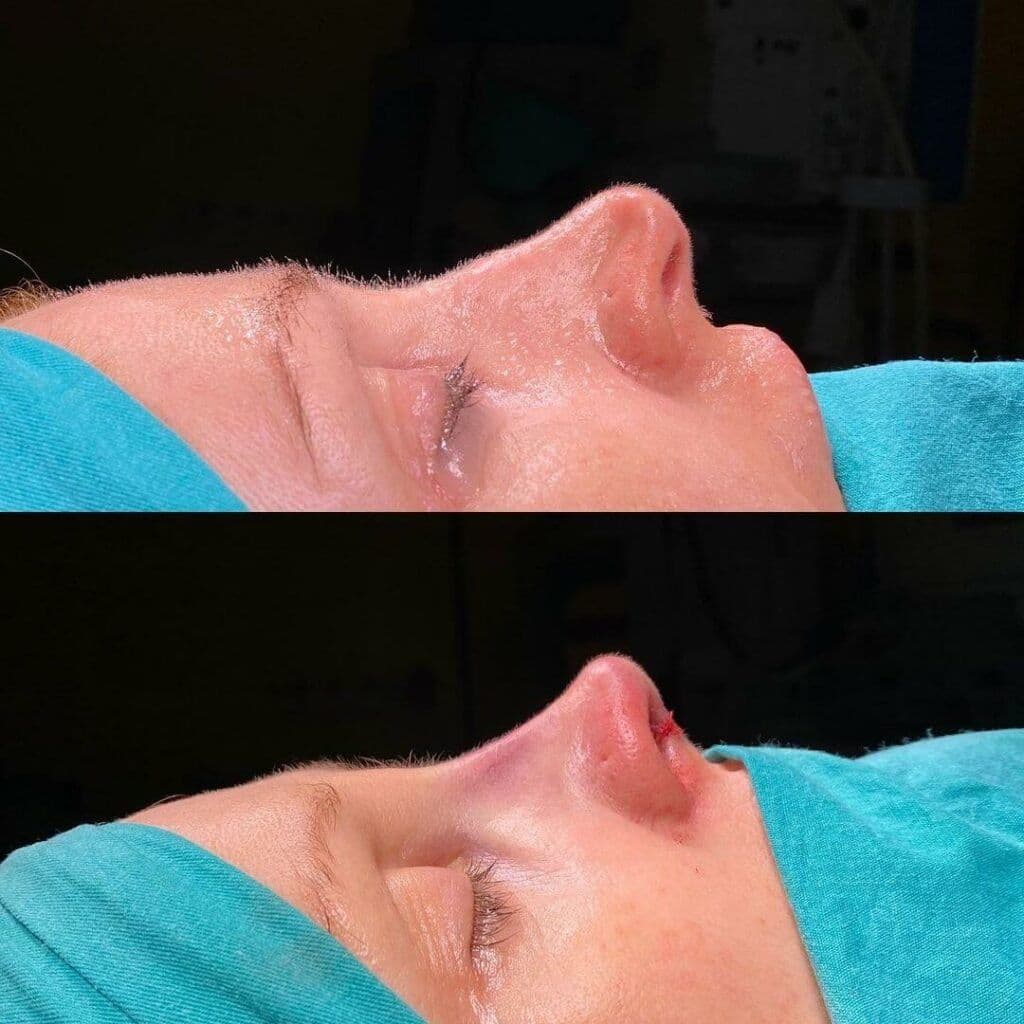
Rhinoplasty
Rhinoplasty in Turkey: Is It Worth It? A Complete 2026 Guide
An honest answer to the question everyone Googles — is a rhinoplasty in Turkey actually worth it? Cost comparison, quality, risks, and the real checklist for deciding.