FACE
Blepharoplasty
Blepharoplasty in Istanbul — upper and lower eyelid surgery to restore a rested, alert look without looking "done". Fast recovery, practically invisible scar. Medical oversight Dr. Güleş, JCI-accredited hospitals. All-inclusive package from €1,850.
from €1,400 All-inclusive
Trusted by 10,000+ international patients
JCIAccredited Hospitals
T.C.Ministry of Health Licensed
ISAPSBoard-Certified Surgeons
4.9 ★Trustpilot · 1,200+ reviews
15+ yrsYears of Experience
8,000+Procedures Performed
Get Your Free Consultation
Our medical team will review your case and send you a personalized treatment plan within 24 hours.
Global Price Comparison
Save up to 78% in Istanbul
Typical all-inclusive prices by country. Sources: ASPS, RealSelf, major UK/US clinic rate sheets, 2025.
🇹🇷
Turkey (Istanbul)
from €1,400
save 78%
🇬🇧
United Kingdom
from €5,500
🇺🇸
United States
from €6,500
🇮🇹
Italy
from €4,000
🇩🇪
Germany
from €4,500
Duration
1–2 hours
Anesthesia
Local + sedation
Hospital Stay
Day procedure
Back to Work
7–10 days
Recovery Time
1–2 weeks
Results Visible
1–3 months
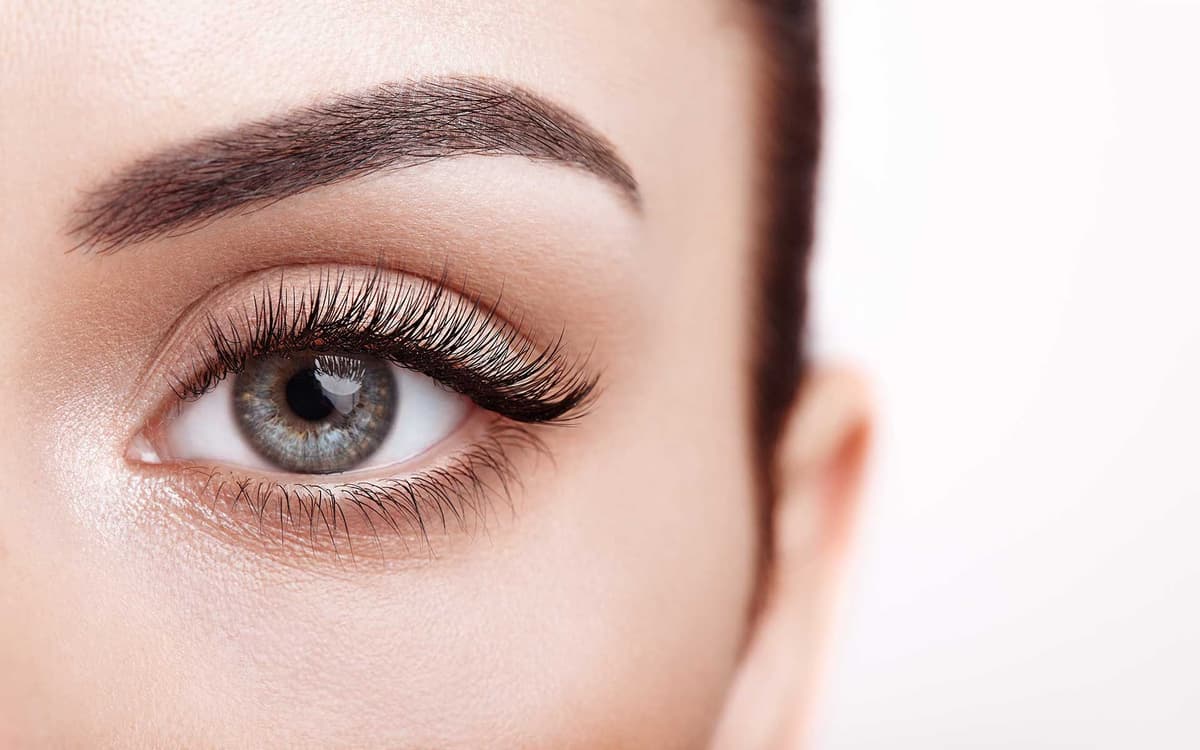
Blepharoplasty — eyelid surgery — removes excess skin and repositions fat around the eyes to restore a rested, alert look. The eyes are the first place the face shows age, and blepharoplasty is often the highest-visual-impact operation for looking rested without looking "done". Done well, nobody notices you had an operation — they just notice you look like yourself on a good day.
It is a precise, technically contained operation, with a short recovery and excellent long-term results. For many anglosphere patients it is the first and only aesthetic surgery they choose to have.
Who blepharoplasty is suitable for
The patients we operate on typically present heavy upper eyelids, with excess skin that touches or covers the lash line; lower-lid bags caused by fat herniation; loose skin of the lower lid creating fine lines and a tired appearance even when rested; and functional reduction of the visual field due to heavy upper lids (in UK/IE this can also support a partial NHS coverage case, but the waiting list makes self-pay abroad faster for most).
Patients with severe dry eye, thyroid eye disease or untreated glaucoma must manage those conditions before surgery — we tell you so honestly at consultation, even if it means postponing.
The techniques
Upper blepharoplasty
Removes excess skin from the upper lid and repositions or removes fat where necessary. The incision is hidden in the natural lid crease and heals to a practically invisible line. It is the most requested operation across the category, especially for male patients over fifty — a fast-growing anglosphere demographic.
Lower blepharoplasty
Addresses bags and lax skin of the lower lid. Our preferred technique is the transconjunctival approach — the incision is made inside the lid, leaving no external scar — combined with skin tightening via laser or a small "pinch" excision when required. The traditional external-scar approach, still used by less updated clinics, is not necessary in most modern cases.
Combined upper and lower
The most frequent presentation, especially after fifty-five. Performed in a single session under the same anaesthesia, with a single recovery.
Asian blepharoplasty ("double eyelid")
A distinct operation that creates or defines the upper lid crease respecting Asian anatomy. Requires specific experience to preserve the natural look that most patients seeking this procedure want. Relevant for East Asian heritage patients across UK, US, Canada and Australia.
The male patient
Blepharoplasty on men is not "the same surgery, smaller cuts". The male upper lid carries less skin but presents differently — hooding, not folding — and the incision placement must respect a less pronounced lid crease to avoid a feminised post-operative result. We operate on male patients every week. The approach differs and we say so at consultation.
The surgery, step by step
Performed under local anaesthesia with light sedation, or under general anaesthesia if combined with other procedures. Duration: one to two hours. Day-surgery procedure — you return to the hotel the same evening. In a JCI-accredited hospital, with a dedicated anaesthesiologist if required.
Recovery
Week 1
Significant bruising and swelling but confined to the eye area. Cold compresses for the first forty-eight hours. Sutures removed between day five and seven. This is the week you don't want to be seen.
Weeks 2–4
Most patients return to a normal appearance, with concealer over residual bruising, between days ten and fourteen. Return to desk work is realistic between day seven and day ten — which is why many anglosphere patients schedule the procedure before a holiday week and return to work on the Monday after, with nobody noticing.
Months 1–3
The scar line continues to lighten. Final shape refinement settles over the first three months.
Risks and realistic expectations
Honest risks: temporary dry eye (common in the first weeks), asymmetries that may require a small touch-up, and — more rarely — ectropion (the lower lid descending slightly). An experienced technique prevents the latter in the vast majority of cases, and it is the main reason we do not recommend saving on the surgeon for this operation.
Blepharoplasty does not remove crow's feet — those are expression lines and belong to the domain of botox or laser resurfacing. These are refinements we can schedule in the same consultation.
Combining with brow lift
If you have brow descent in addition to upper-lid heaviness, upper blepharoplasty alone can give a partially unsatisfactory result — because the problem is not only the skin, it is the position of the brow itself. At consultation we assess this honestly: sometimes the right operation is brow lift alone, sometimes it is brow lift plus upper bleph in the same session. We say which at consultation.
Why Istanbul versus other destinations
Blepharoplasty is a high-precision, low-risk, high-satisfaction operation — ideal for international patients because recovery is short and predictable. The price gap versus the US, UK and Australia is significant and the clinical standard is equivalent. Our surgeons perform it weekly and have the millimetric precision this procedure requires.
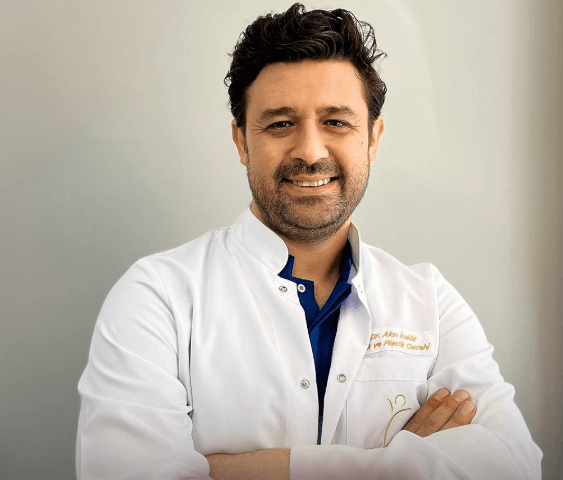
**Dr. Mustafa Ekrem Güleş** approves every patient clinically before surgery.
Why not the €900 blepharoplasty
On the eyelids, the rock-bottom price is paid in ectropion and asymmetries visible for the rest of your life. A clinic quoting blepharoplasty at €900 often performs a skin excision that is too aggressive — and at six months the lower lid doesn't close properly, the eye tears constantly, and the damage requires a secondary correction that costs more than the operation done well the first time.
What you pay for with us is verifiable: transconjunctival approach for the lower lid (no external scar), plastic surgeon specialised in the periorbital region, dedicated anaesthesiologist, JCI-accredited hospital, follow-up at 1 and 3 months via WhatsApp in English.
English-speaking team — from first message to three-month follow-up
Our team replies in English on WhatsApp, phone and email. From the first quote to the three-month check-up, you always speak to someone who understands your language. Questions about dry eye, when to go back to wearing makeup, when to return to screen time — they come up often. We want you to have immediate English answers when you need them.
Request your free quote — our team replies in UK/IE business hours and in a second window covering US Eastern through Australian morning. Photo-based pre-assessment on the same day.
What's Included
VIP airport transfer (pickup & drop-off)
Accommodation in 4-star partner hotel
Professional translator with 24/7 support
All hospital and surgery fees
Pre-operative blood tests & medical consultation
Anesthesia (general or local as required)
Post-operative medications & aftercare kit
1-year follow-up consultations
Dedicated WhatsApp patient coordinator (24/7)
Not Included
International flights to and from Istanbul
Additional hotel nights beyond the package
Personal expenses (minibar, spa, shopping)
Real Results
Before & After
Patient Stories
What Our Patients Say
Frequently Asked Questions
How long does eyelid surgery take?
Blepharoplasty typically takes 30 minutes to 2 hours depending on whether upper lids, lower lids, or both are treated.
When can I return to work after eyelid surgery?
Most patients return to desk work within 5-7 days. Strenuous activity and heavy lifting should be avoided for 2-3 weeks to prevent swelling.
Will blepharoplasty incisions be visible?
Upper lid incisions follow the natural eyelid crease and become nearly invisible within weeks. Lower lid incisions are placed just below the lash line and fade to become inconspicuous.
What is the cost of blepharoplasty in Istanbul?
Eyelid surgery in Istanbul costs €1,500 to €3,000 per area treated (upper, lower, or both), offering excellent value compared to European pricing.
How soon will I see eyelid surgery results?
Initial results are visible immediately after suture removal at 1 week. Final results appear at 3-4 weeks as swelling fully resolves.
Can I wear makeup or contacts after eyelid surgery?
You can resume wearing makeup after 2 weeks and contacts after 1-2 weeks, though some swelling may persist. Eye drops can be used from day 1.
What about double vision or dry eyes after surgery?
Temporary dry eyes or minor vision changes can occur but typically resolve within 2-4 weeks. Prescribed eye drops and proper follow-up care minimize these effects.
Related Procedures
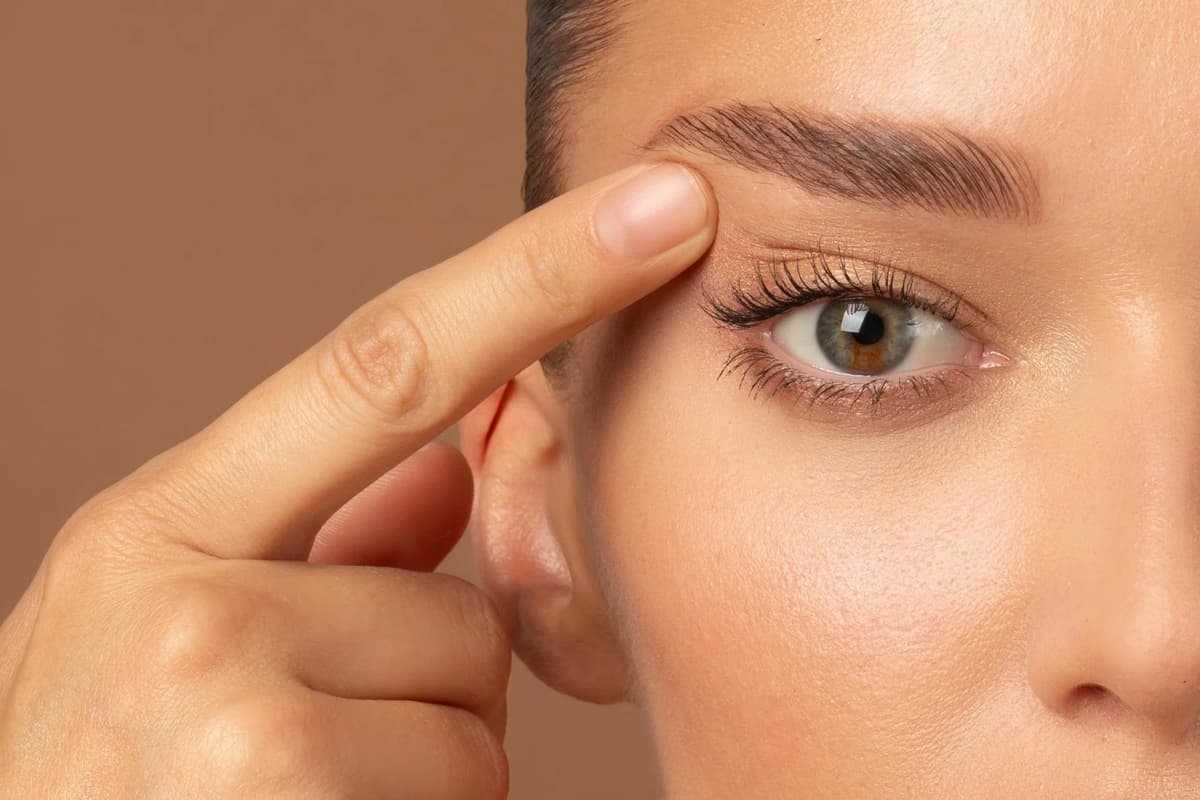

Deep Dive
All articles →Further Reading
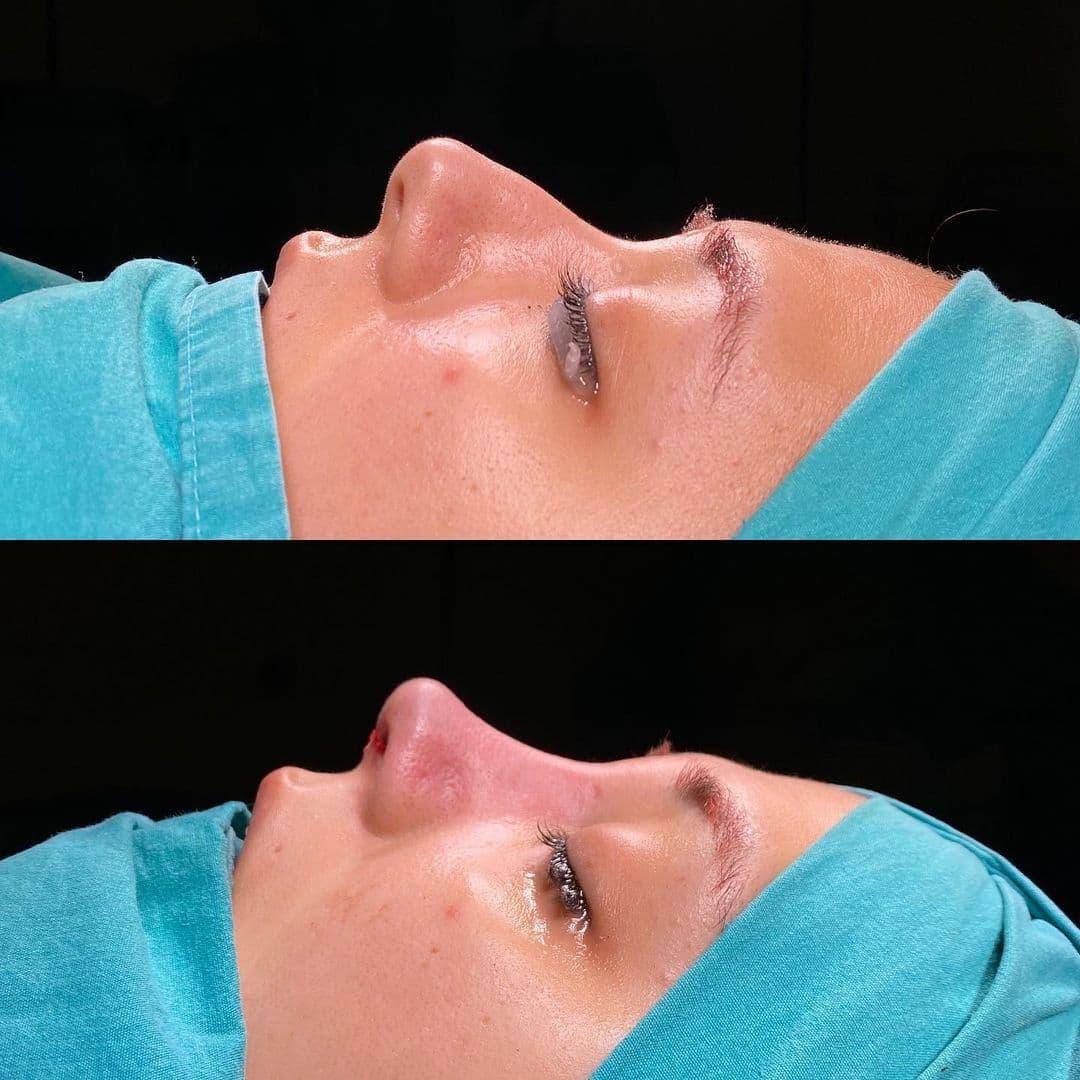
Rhinoplasty
Rhinoplasty in Istanbul: Complete Cost, Recovery & Results Guide
Complete guide to rhinoplasty in Istanbul including why the city is the rhinoplasty capital, surgeon expertise, costs 60-70% lower than Europe, recovery timeline, and natural results.
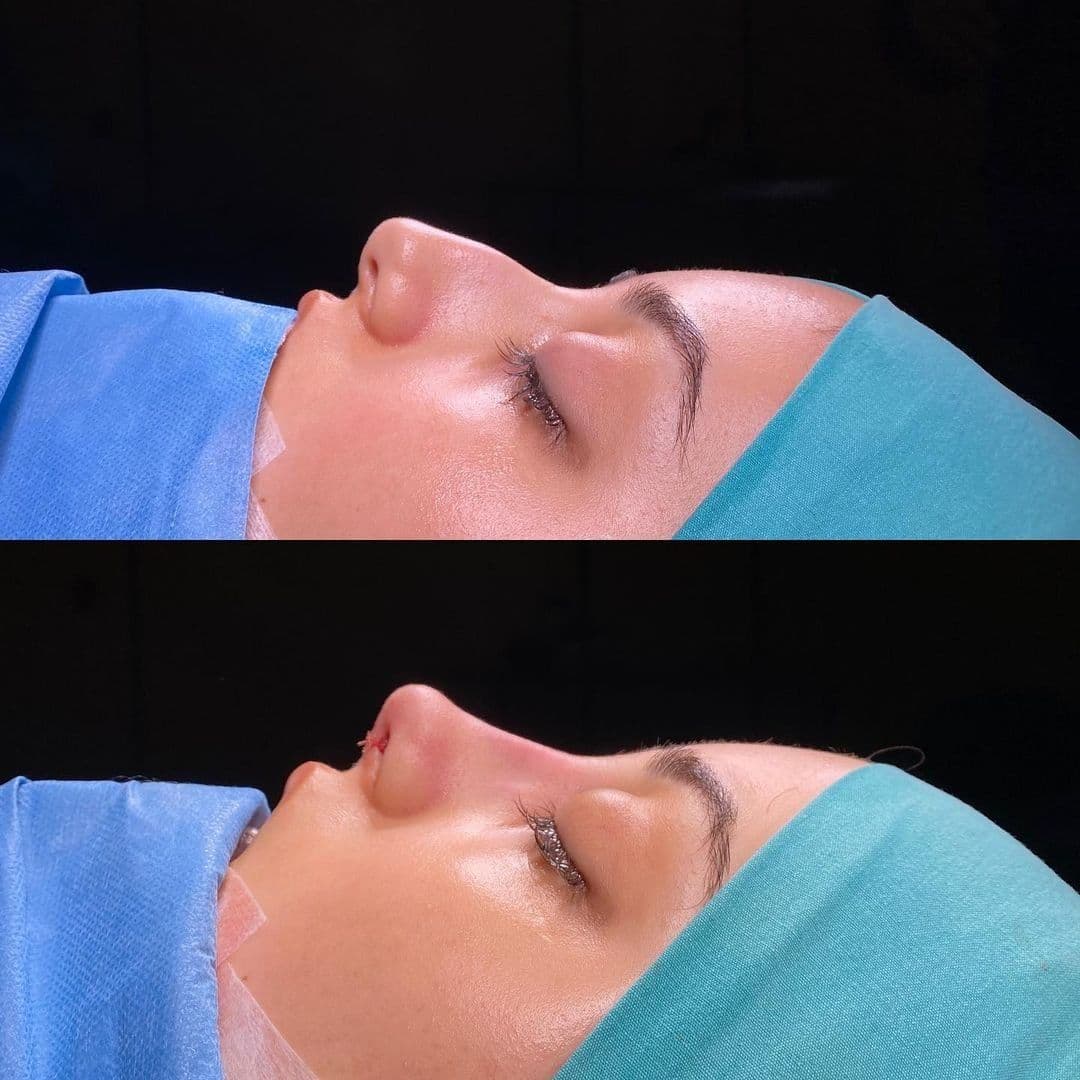
Rhinoplasty
Open vs Closed Rhinoplasty: What's the Difference and Which Is Better?
Understand the key differences between open and closed rhinoplasty techniques, including scarring, recovery time, precision, and which is better for your specific needs.
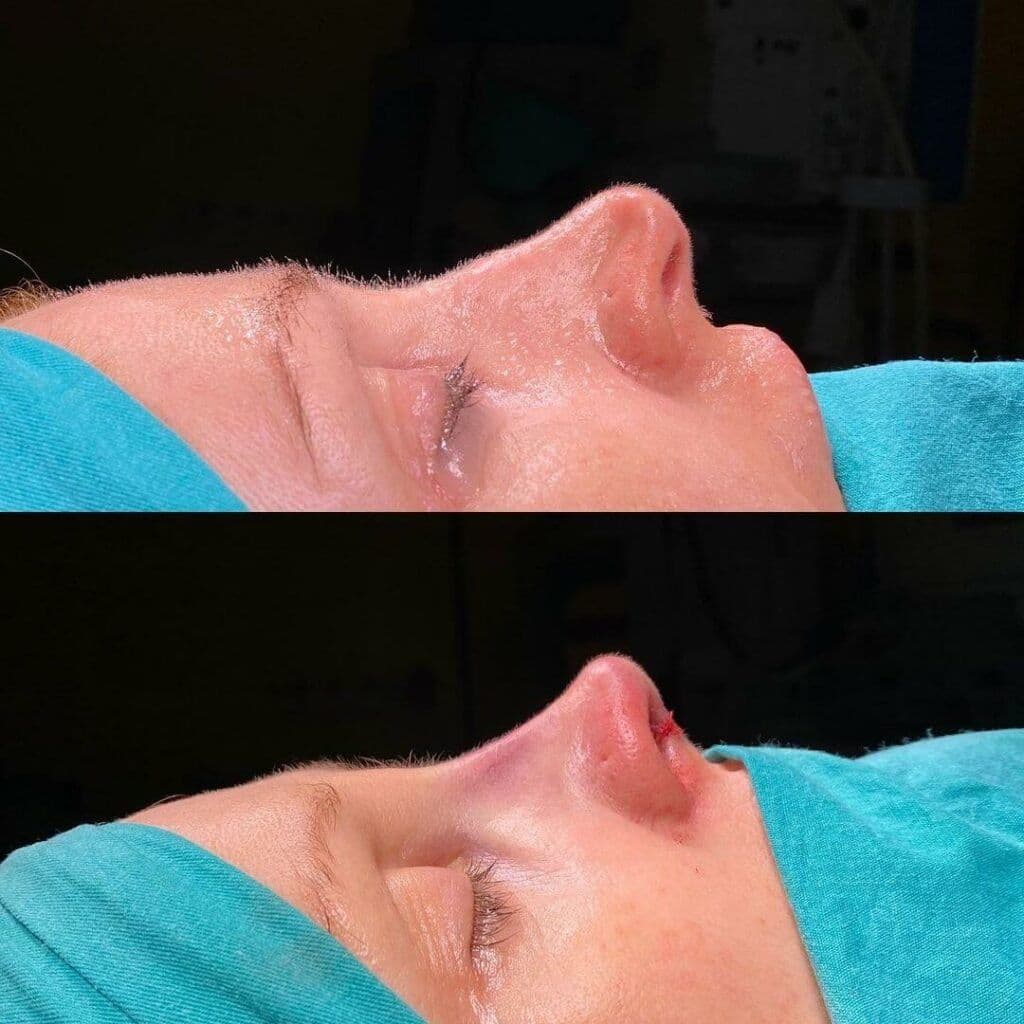
Rhinoplasty
Rhinoplasty in Turkey: Is It Worth It? A Complete 2026 Guide
An honest answer to the question everyone Googles — is a rhinoplasty in Turkey actually worth it? Cost comparison, quality, risks, and the real checklist for deciding.