FACE
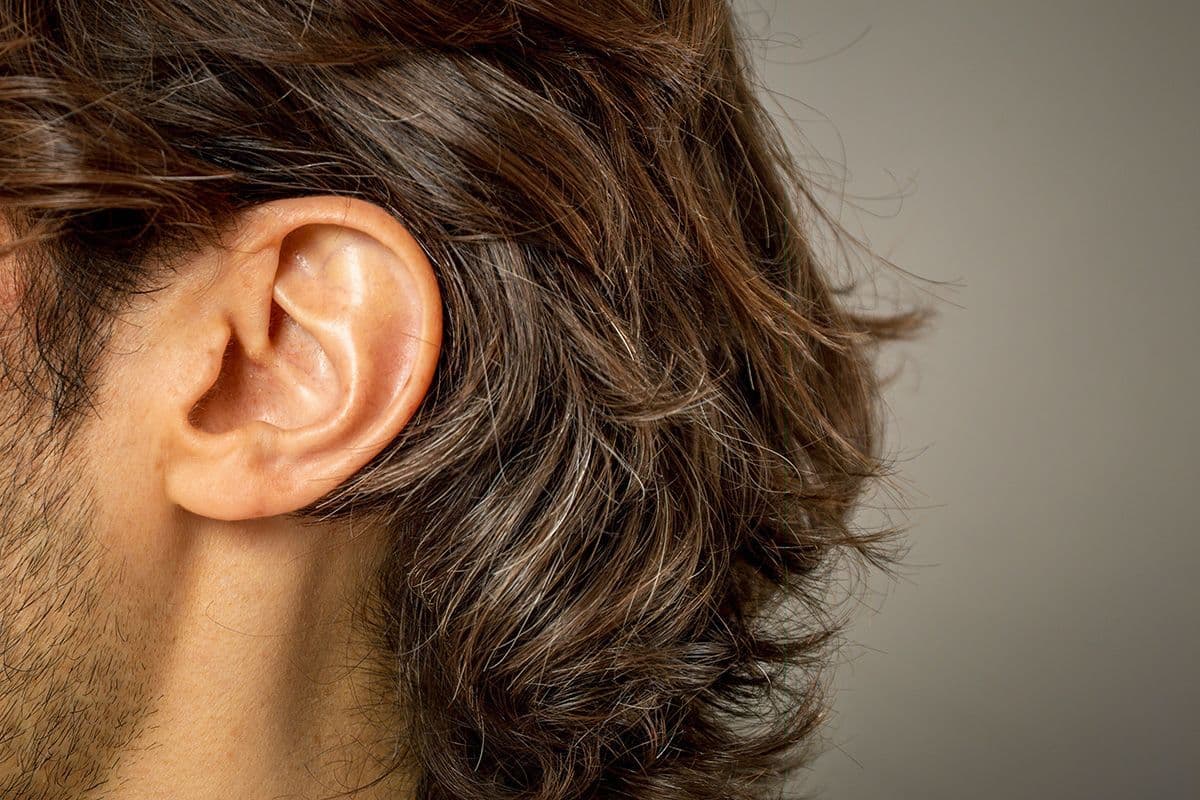
Ear Reshaping
Otoplasty in Istanbul — correction of prominent ears for adults and for children from age six. Scar hidden in the post-auricular fold. The operation most adults describe as "I should have done this twenty years ago". Medical oversight Dr. Güleş, JCI-accredited hospitals. All-inclusive package from €1,450.
from €1,300 All-inclusive
Trusted by 10,000+ international patients
JCIAccredited Hospitals
T.C.Ministry of Health Licensed
ISAPSBoard-Certified Surgeons
4.9 ★Trustpilot · 1,200+ reviews
15+ yrsYears of Experience
8,000+Procedures Performed
Get Your Free Consultation
Our medical team will review your case and send you a personalized treatment plan within 24 hours.
Global Price Comparison
Save up to 78% in Istanbul
Typical all-inclusive prices by country. Sources: ASPS, RealSelf, major UK/US clinic rate sheets, 2025.
🇹🇷
Turkey (Istanbul)
from €1,300
save 78%
🇬🇧
United Kingdom
from €5,000
🇺🇸
United States
from €6,000
🇮🇹
Italy
from €4,000
🇩🇪
Germany
from €4,000
Duration
1–2 hours
Anesthesia
Local or general
Hospital Stay
Day procedure
Back to Work
5–7 days
Recovery Time
1–2 weeks
Results Visible
1–2 months
Otoplasty — prominent-ear correction — is a precise operation that reshapes the cartilage of the external ear to reposition it closer to the side of the head. It is one of the most satisfying operations in the catalogue for a simple reason: most adult patients have thought about having it done for twenty or thirty years, and the one they describe at follow-up is "I should have done this in my twenties".
The operation is anatomically contained, technically straightforward in experienced hands, recovery is fast, the result is permanent, and for many patients the effect is quietly transformative — hair worn back for the first time in decades, photographs taken from three-quarter angles without thinking, glasses worn without anxiety. It is not vanity surgery; it is a small correction to an anatomical feature that has shaped how the patient has carried themselves all their life.
Who otoplasty is suitable for
The typical candidates fall into two clear groups. Adults of any age (most commonly 25 to 55) who have prominent ears — the lobes or upper portion of the ear projecting more than usual from the side of the head, sometimes with asymmetry between the two sides. Usually they have covered with hair all their life and have arrived at a moment of deciding "enough". Children from age six, typically brought by parents after a period of teasing at school. Six is the lower limit because the ear has reached approximately 90% of its adult size by this age — operating earlier risks interference with cartilage growth. Paediatric cases require general anaesthesia and a child-friendly hospital pathway, which we provide at Acıbadem. Parents from UK/IE who would otherwise face an NHS wait of 18+ months often choose to self-fund in Istanbul for a shorter timeline.
Patients with active ear infections or untreated skin conditions of the scalp must resolve those before surgery — we say so at consultation.
The techniques
There are several techniques; the choice depends on which part of the ear protrudes and why. In most cases the problem lies in the antihelical fold (which has not formed adequately) and/or in excessive concha depth. We address one or both through the same posterior incision.
Cartilage-scoring technique (Mustardé sutures + cartilage scoring): reshapes the antihelical fold via permanent sutures to the cartilage, with light scoring to help the cartilage take its new shape. This is the workhorse technique for most cases.
Concha setback (Furnas sutures): when the conchal bowl is too deep and projects the ear outward, we reposition it with sutures anchored to the mastoid periosteum.
Earlobe correction: when the lobe also protrudes, a small additional incision corrects it in the same session.
At consultation we assess your specific ear configuration and explain which technique(s) are indicated. Rarely is one technique used alone; most cases require a combination, calibrated to the anatomy.
The surgery, step by step
For adults: performed under local anaesthesia with light sedation. Duration is one and a half to two hours for both ears. Day-surgery procedure — you return to the hotel the same afternoon. In a JCI-accredited hospital, with an anaesthesiologist available on request.
For children: short general anaesthesia in a paediatric hospital pathway, same-day discharge with overnight observation on request. Duration is similar, one and a half to two hours.
The incision is hidden in the post-auricular fold — the natural crease where the back of the ear meets the scalp — and is not visible with the ear in any position after healing. Sutures are fine, non-absorbable in the skin (removed at day seven) and permanent in the cartilage (remain in place, under the skin, indefinitely).
Recovery
Week 1
A headband is worn 24 hours a day for the first week, then night-only for a further two to three weeks. Mild to moderate discomfort in the first 48 hours, well controlled with standard analgesics. Sleeping on the back (not on the side) for the first two weeks. Sutures removed at day six to seven. Return to desk work is realistic from day five to seven — with the headband covered by a cap or hoodie.
Weeks 2–4
Residual swelling resolves progressively. Contact sport, swimming and intense physical activity are avoided until week four. By the end of week four most patients are back to fully normal life.
Months 2–6
Final shape settles over three to six months. The permanent sutures deep in the cartilage hold the correction stably long-term. The post-auricular scar is typically invisible at conversation distance by month three.
Risks and realistic expectations
Honest risks: asymmetry between the two sides, which an experienced technique largely prevents but can occur in small degrees; over-correction ("pinned" appearance where the ears are pulled too close to the head) — a specific signature of under-skilled technique that we actively design against; under-correction, where the problem is partially resolved; haematoma (blood collection that may require drainage); and — rarely — recurrence over years if the permanent sutures release.
The result is permanent in the large majority of cases. A small proportion of patients (under 5%) experience partial recurrence over years as the cartilage relaxes, and a minor touch-up can be performed under local anaesthesia if needed.
Why Istanbul versus other destinations
Otoplasty is a volume-driven operation — our surgeons perform it regularly, on both adults and children, and the cumulative experience shows in the consistency of results. JCI-accredited hospitals, paediatric pathway for child patients, adult day-surgery pathway for working patients who need to be back on a plane within 48–72 hours.
**Dr. Mustafa Ekrem Güleş** approves every patient clinically before surgery.
Why not the €500 otoplasty
On otoplasty, the rock-bottom price is paid in pinned-back "surgery-obvious" results, asymmetries and early recurrence. A clinic quoting otoplasty at €500 often uses absorbable cartilage sutures (result relaxes within a year), does not individualise the technique to the anatomy (applies the same procedure to every ear), and has no follow-up staff after your flight home.
What you pay for with us is verifiable: permanent Mustardé and Furnas sutures as indicated, techniques matched to your specific anatomy, pre-operative photographic planning, JCI-accredited hospital, adult or paediatric pathway as required, follow-up at 1, 3 and 6 months via WhatsApp in English.
Travelling with a child patient — what we provide
For parents from UK, IE or elsewhere travelling with a child patient: we provide a paediatric hospital pathway, an anaesthesiologist experienced with child patients, written pre-operative instructions in English for parents, a family-friendly hotel room configuration, and a dedicated team member available in English throughout the stay. The child's safety and comfort is the primary planning input.
English-speaking team — from first message to six-month follow-up
Our team replies in English on WhatsApp, phone and email. From the first photo-based assessment to the six-month review, your contact (or your child's pathway) is consistent and English-speaking.
Request your free quote — our team replies in UK/IE business hours and in a second window covering US Eastern through Australian morning. Photo-based pre-assessment on the same day.
What's Included
VIP airport transfer (pickup & drop-off)
Accommodation in 4-star partner hotel
Professional translator with 24/7 support
All hospital and surgery fees
Pre-operative blood tests & medical consultation
Anesthesia (general or local as required)
Post-operative medications & aftercare kit
1-year follow-up consultations
Dedicated WhatsApp patient coordinator (24/7)
Not Included
International flights to and from Istanbul
Additional hotel nights beyond the package
Personal expenses (minibar, spa, shopping)
Frequently Asked Questions
How long does ear reshaping surgery take?
Otoplasty typically takes 1 to 2 hours depending on the complexity of ear reshaping needed.
When can children have ear surgery in Istanbul?
Children can have otoplasty from age 5-6 when ear growth is essentially complete. Early surgery prevents psychological impact from ear appearance during school years.
What is recovery like for ear reshaping?
Recovery is quick—patients return to light activities within 1 week and can resume normal exercise after 2-3 weeks. A protective headband is worn for 4-6 weeks.
How much does otoplasty cost in Istanbul?
Ear reshaping in Istanbul costs €1,800 to €2,800, significantly less than Western Europe while achieving the same aesthetic and functional results.
Will scars be visible after ear surgery?
Incisions are placed behind the ear where they are completely hidden. No visible scars remain once healing is complete.
Are ear reshaping results permanent?
Yes, otoplasty results are permanent. The cartilage is reshaped and secured, maintaining the new ear position for life.
Can adults also have ear reshaping?
Absolutely. Adults benefit from otoplasty for aesthetic improvement or to correct asymmetry. The results are permanent regardless of age at surgery.
Related Procedures


Deep Dive
All articles →Further Reading
Rhinoplasty
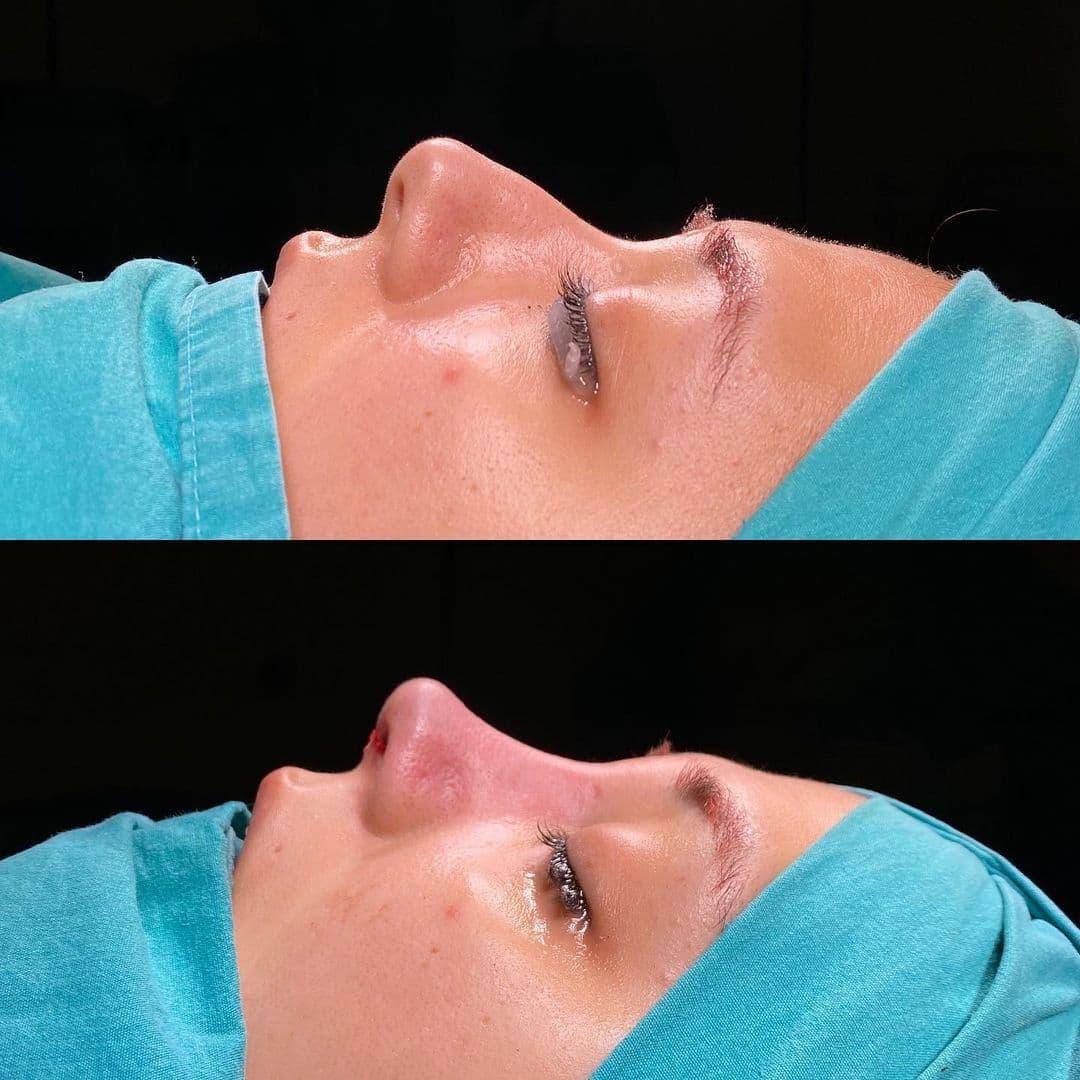
Rhinoplasty in Istanbul: Complete Cost, Recovery & Results Guide
Complete guide to rhinoplasty in Istanbul including why the city is the rhinoplasty capital, surgeon expertise, costs 60-70% lower than Europe, recovery timeline, and natural results.
Rhinoplasty
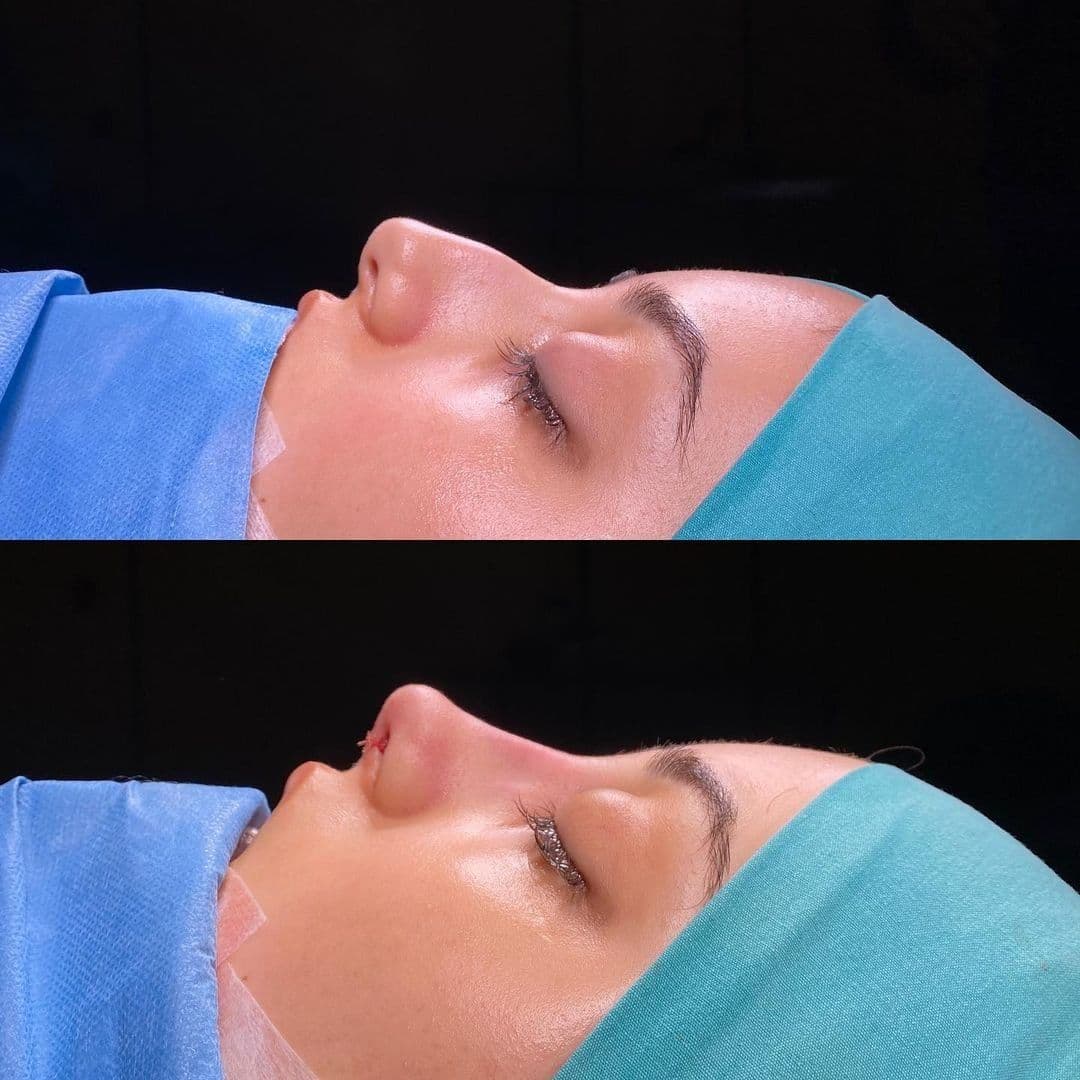
Open vs Closed Rhinoplasty: What's the Difference and Which Is Better?
Understand the key differences between open and closed rhinoplasty techniques, including scarring, recovery time, precision, and which is better for your specific needs.
Rhinoplasty
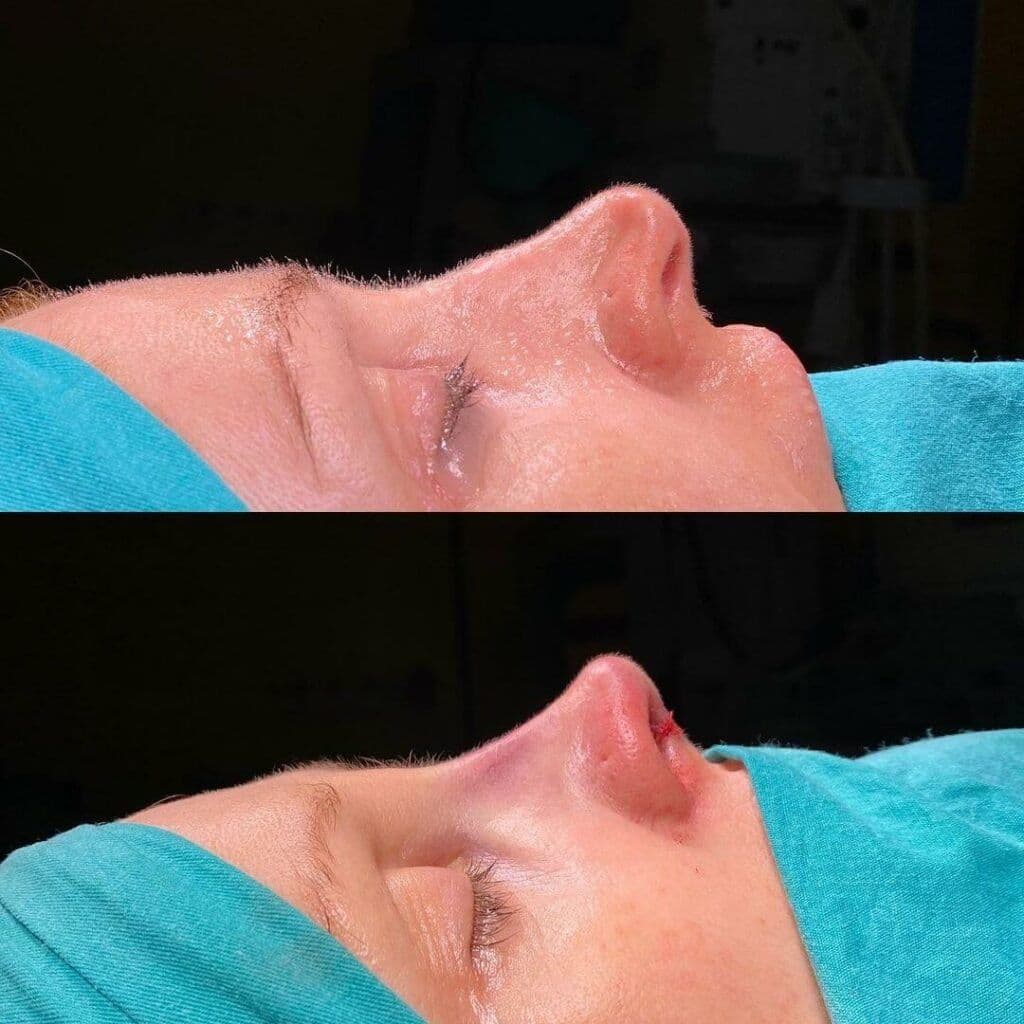
Rhinoplasty in Turkey: Is It Worth It? A Complete 2026 Guide
An honest answer to the question everyone Googles — is a rhinoplasty in Turkey actually worth it? Cost comparison, quality, risks, and the real checklist for deciding.