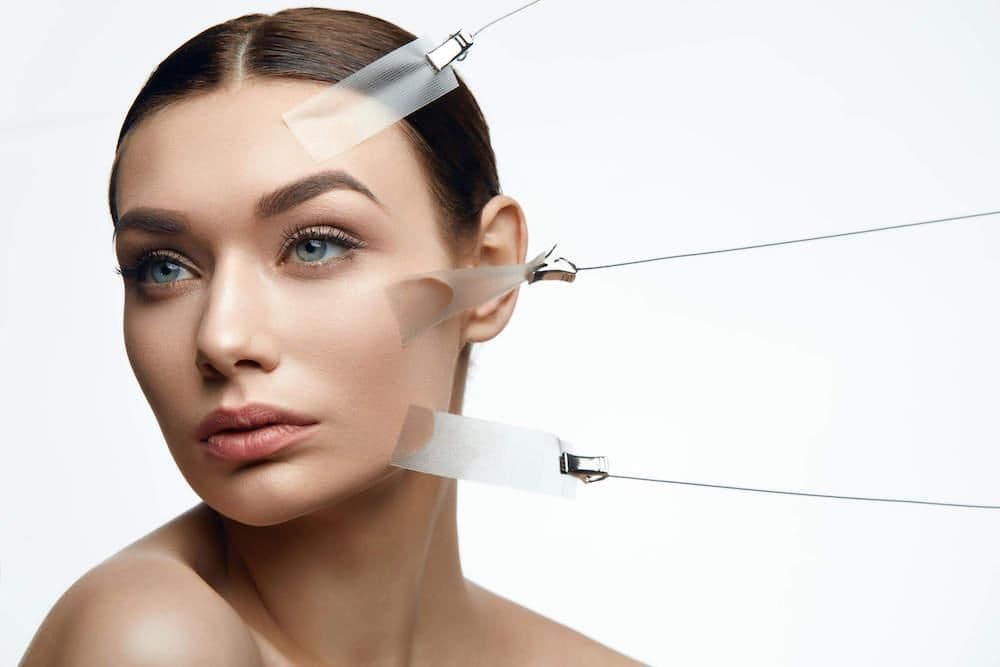
FACE
Facelift Surgery
Facelift in Istanbul — deep-plane technique to redefine jawline, neck and cheeks with a natural result, never "pulled". Senior plastic surgeons, medical oversight Dr. Güleş, JCI-accredited hospitals. All-inclusive package from €4,500.
from €3,100 All-inclusive
Trusted by 10,000+ international patients
JCIAccredited Hospitals
T.C.Ministry of Health Licensed
ISAPSBoard-Certified Surgeons
4.9 ★Trustpilot · 1,200+ reviews
15+ yrsYears of Experience
8,000+Procedures Performed
Get Your Free Consultation
Our medical team will review your case and send you a personalized treatment plan within 24 hours.
Global Price Comparison
Save up to 78% in Istanbul
Typical all-inclusive prices by country. Sources: ASPS, RealSelf, major UK/US clinic rate sheets, 2025.
🇹🇷
Turkey (Istanbul)
from €3,100
save 78%
🇬🇧
United Kingdom
from €12,000
🇺🇸
United States
from €14,000
🇮🇹
Italy
from €9,500
🇩🇪
Germany
from €10,000
Duration
3–5 hours
Anesthesia
General anesthesia
Hospital Stay
1 night
Back to Work
10–14 days
Recovery Time
2–3 weeks
Results Visible
3–6 months
A facelift — rhytidectomy, in clinical language — repositions the deep tissues of the midface and neck that descend with time, and removes the excess skin that follows. It is the most effective operation for restoring a rested, ten-to-fifteen-years-younger appearance to the face, with a result that must look natural — never pulled, never "done".
Modern facelift surgery does not tighten the skin: it repositions the deep structural layer (the SMAS and the plane beneath it). Pulling skin alone is what produced the taut, unnatural faces of the 1980s and 1990s magazines — and it is exactly what the informed patient does not want. Bringing the deep plane back into position restores volume to the cheeks and definition to the jawline without surface tension. The result is that you look rested, not redone.
Who facelift is suitable for
The ideal candidate presents a jawline that has lost definition (jowls), loose neck skin, loss of cheek volume, and midface descent. The patients we operate on are typically between 45 and 68, in good health, non-smokers at the time of surgery, with realistic expectations about what surgery can and cannot change.
The most common indications are jawline descent with loss of oval definition, loose skin and visible platysmal banding in the neck, flattening of the midface and deepening of the nasolabial folds, and the realistic expectation of looking rested, not becoming a different person.
A facelift does not improve the surface quality of the skin — tone, pigmentation, sun damage — and for that you need lasers or chemical peels, which we can plan alongside. It does not change bone structure. It restores position and proportion, nothing more and nothing less.
The techniques we use
Deep-plane facelift
Our preferred technique in most cases. The deep plane, beneath the SMAS, is released and repositioned as a unit: the result recovers midface volume and redefines the jawline in a way that is durable and natural. Incisions run around the ear, inside the hairline and behind the auricle, so they are practically invisible once mature.
This is the technique that makes the difference versus the "pulled" results people fear. It requires specialist experience — it is not a procedure you improvise — and is the reason informed patients look for clinics that actually perform it, not clinics that only name it in their marketing.
SMAS facelift
A more conservative dissection that still works on the structural layer, without going into the deep plane. Appropriate for patients with moderate laxity and for anyone who prefers a shorter recovery. Excellent result in the right cases, but less powerful than deep-plane when descent is advanced.
Mini facelift / short-scar lift
Shorter incisions, reduced dissection, faster recovery — but the operation only addresses the jawline and lower face. A good choice for patients in their mid-40s with early laxity and a neck still in order. It does not replace a full facelift when the neck is involved: in that case we say honestly "a mini isn't enough for you".
Neck lift
A dedicated operation on the neck, which can be performed as part of a full facelift or as an isolated procedure. It addresses platysmal banding, submental fat and loose neck skin. In many patients over 55, the neck is the area that "tells" age before the face — and a neck lift resolves exactly that.
The surgery, step by step
The facelift is performed under general anaesthesia in a JCI-accredited hospital, with a dedicated anaesthesiologist present throughout. Duration is three to five hours depending on extent. One overnight stay in hospital is standard.
Incisions are placed inside the hairline, around the ear and behind the auricle — concealed once healed, even if you wear your hair up. The deep structural layer is released, repositioned and fixed with permanent sutures. Excess skin is trimmed without tension — no "pulled" effect, which is the visible signature of a badly done facelift. Small drains are placed for the first 24–48 hours.
Recovery
Weeks 1–2
Significant swelling and bruising peak on days three to four, then resolve progressively. Light compression garment for most of the day in the first week. You sleep with the head elevated. Soreness is moderate — less than most patients expect.
Weeks 2–3
Most patients feel presentable in public by week two, with makeup covering residual bruising. Sutures around the ear are removed between day seven and ten. Many patients return to professional environments in week three — a meeting with good makeup and hair covering the ears, and nobody notices.
Weeks 3–6
Swelling continues to resolve. Sensation returns gradually to normal. Scars are still pink and in maturation.
Months 3–12
Scars mature to fine white lines. The definitive result is visible around month six and continues to refine over the first year.
Risks and realistic expectations
Honest risks: haematoma (the most frequent early complication, requiring prompt management), temporary weakness of the facial mimic nerves, alterations in ear and cheek sensation, and rarely asymmetry or modification of the hairline. Results typically last ten to fifteen years; the face continues to age naturally after surgery.
A facelift does not stop time. It moves it backwards. What you buy is a good decade where you look better than you otherwise would.
Why Istanbul versus other destinations
Experience in the deep-plane technique is a specialist skill — not something you learn by reading a protocol. Our senior plastic surgeons perform facelifts at this level with the volume and discipline needed to do them well. Combined with the ecosystem — JCI-accredited hospitals, experienced anaesthesia, quality recovery logistics — Istanbul offers international-standard facelifts at roughly a third of the price of London, New York or Sydney.
**Dr. Mustafa Ekrem Güleş** approves every patient clinically before surgery. The surgeon responsible for your case is introduced at your initial consultation and follows you from start to finish.
Why not the €2,500 facelift
On facelift, the rock-bottom price leaves visible marks on the face — literally. A clinic offering a "mini facelift" at €2,500 often performs a skin-only excision with suturing, without touching the structural plane. Result: at six months the face is sagging again, or worse — the surface "pulled" effect you wanted to avoid. On the neck, low-cost clinics often do nothing at all — and the neck is what tells age before the face.
What you pay for with us is verifiable: deep-plane technique (or well-executed SMAS when that is the right choice for you), dedicated anaesthesiologist throughout, JCI-accredited hospital, neck included where needed, follow-up at 3, 6 and 12 months via WhatsApp in English. On the face of a woman who has been considering this surgery for years, those differences show up as naturalness of result and durability over time.
Compared to the other end of the market — US facelift at $15–25K, Beverly Hills or Manhattan deep-plane at $40–75K, UK private at £10–20K, Australia at AU$20–35K — you are not giving up standards. You are paying the difference between Turkish operating costs and Western ones, on the same technique and the same grade of hospital.
English-speaking team — discreet, same language throughout
Our team replies in English on WhatsApp, phone and email. We understand that a facelift is an intimate operation: you want discretion, you want to know exactly what will happen, and you want to feel understood. From the first quote to the twelve-month check-up, you always speak to someone who understands your language and remembers your case.
Request your free quote — discreetly, same day. Our team replies in UK/IE business hours and in a second window covering US Eastern through Australian morning.
What's Included
VIP airport transfer (pickup & drop-off)
Accommodation in 4-star partner hotel
Professional translator with 24/7 support
All hospital and surgery fees
Pre-operative blood tests & medical consultation
Anesthesia (general or local as required)
Post-operative medications & aftercare kit
1-year follow-up consultations
Dedicated WhatsApp patient coordinator (24/7)
Not Included
International flights to and from Istanbul
Additional hotel nights beyond the package
Personal expenses (minibar, spa, shopping)
Real Results
Before & After
Patient Stories
What Our Patients Say
Frequently Asked Questions
What is the difference between a traditional facelift and a mini-facelift?
A traditional facelift addresses extensive facial sagging through larger incisions and deeper tissue manipulation, typically lasting 2-3 hours. A mini-facelift targets mild to moderate sagging with smaller incisions and shorter recovery (1-2 weeks). Traditional facelifts produce more dramatic results and last longer, while mini-facelifts involve less trauma and faster recovery. Your surgeon will recommend the best approach based on your specific needs.
How long do facelift results last?
Facelift results typically last 10-15 years, making it one of the longest-lasting cosmetic procedures available. Results depend on genetics, skin quality, lifestyle factors, and sun exposure. Some patients undergo a second procedure after 10-15 years to maintain their enhanced appearance. Non-surgical treatments like Botox and fillers can extend results between procedures.
Will facelift scars be visible?
Scars are typically placed along the hairline and behind the ears, making them well-hidden. With proper wound care and time, scars mature and become increasingly less noticeable, usually fading significantly within 6-12 months. Our surgeons use advanced closure techniques to minimize scarring. Most patients find scars barely visible once healed.
How soon can I return to normal activities after a facelift?
Most patients can resume light activities like walking and desk work within 1-2 weeks. Strenuous exercise, heavy lifting, and intense activities should be avoided for 4-6 weeks. Full recovery typically takes 3-6 months, though you can appear presentable for social occasions within 3-4 weeks. Individual recovery varies based on the extent of surgery and your healing capacity.
Is facelift surgery painful?
During surgery, general anesthesia eliminates all sensation. Post-operatively, most patients experience mild to moderate discomfort managed effectively with prescribed pain medications. Discomfort is usually greatest in the first few days and gradually diminishes. Most patients report the experience less painful than expected.
Can I combine a facelift with other cosmetic procedures?
Yes, many patients benefit from combining facelift with blepharoplasty, brow lift, fat transfer, or other procedures for comprehensive facial rejuvenation. Combining procedures can be more cost-effective than separate surgeries and allows comprehensive aesthetic planning. Our surgeons will recommend optimal combinations during your consultation.
What complications can occur after facelift surgery?
Serious complications are rare with experienced surgeons. Common temporary issues include swelling, bruising, and numbness. Rare complications may include infection, hematoma, or temporary facial nerve weakness. Estetica Istanbul's meticulous surgical technique and post-operative care minimize complication risks. Our surgeons discuss all potential risks during your pre-operative consultation.
How much does facelift surgery cost in Istanbul?
Facelift surgery in Istanbul typically costs 40-60% less than in Western countries, ranging from $8,000-$15,000 depending on technique and extent. Estetica Istanbul offers transparent, all-inclusive pricing that covers surgery, accommodation, transfers, and post-operative care. This exceptional value, combined with world-class surgical expertise, makes Istanbul an attractive destination for facial rejuvenation.
What should I avoid before my facelift surgery?
Avoid smoking for at least 2 weeks before surgery, as it impairs healing. Discontinue aspirin, NSAIDs, and blood-thinning medications one week prior. Limit alcohol consumption. Avoid strenuous exercise for one week before surgery. Discuss all supplements and medications with your surgeon. Proper pre-operative preparation optimizes surgical outcomes and recovery.
Will a facelift make me look unnatural or "pulled"?
Modern facelift techniques, when performed by experienced surgeons like those at Estetica Istanbul, produce natural-looking results. Our philosophy emphasizes enhancement of your natural beauty rather than creating an artificial appearance. We respect your facial anatomy and achieve refreshed, rejuvenated results that others often attribute to good sleep or vacation rather than surgery.
Related Procedures

Deep Dive
All articles →Further Reading
Rhinoplasty
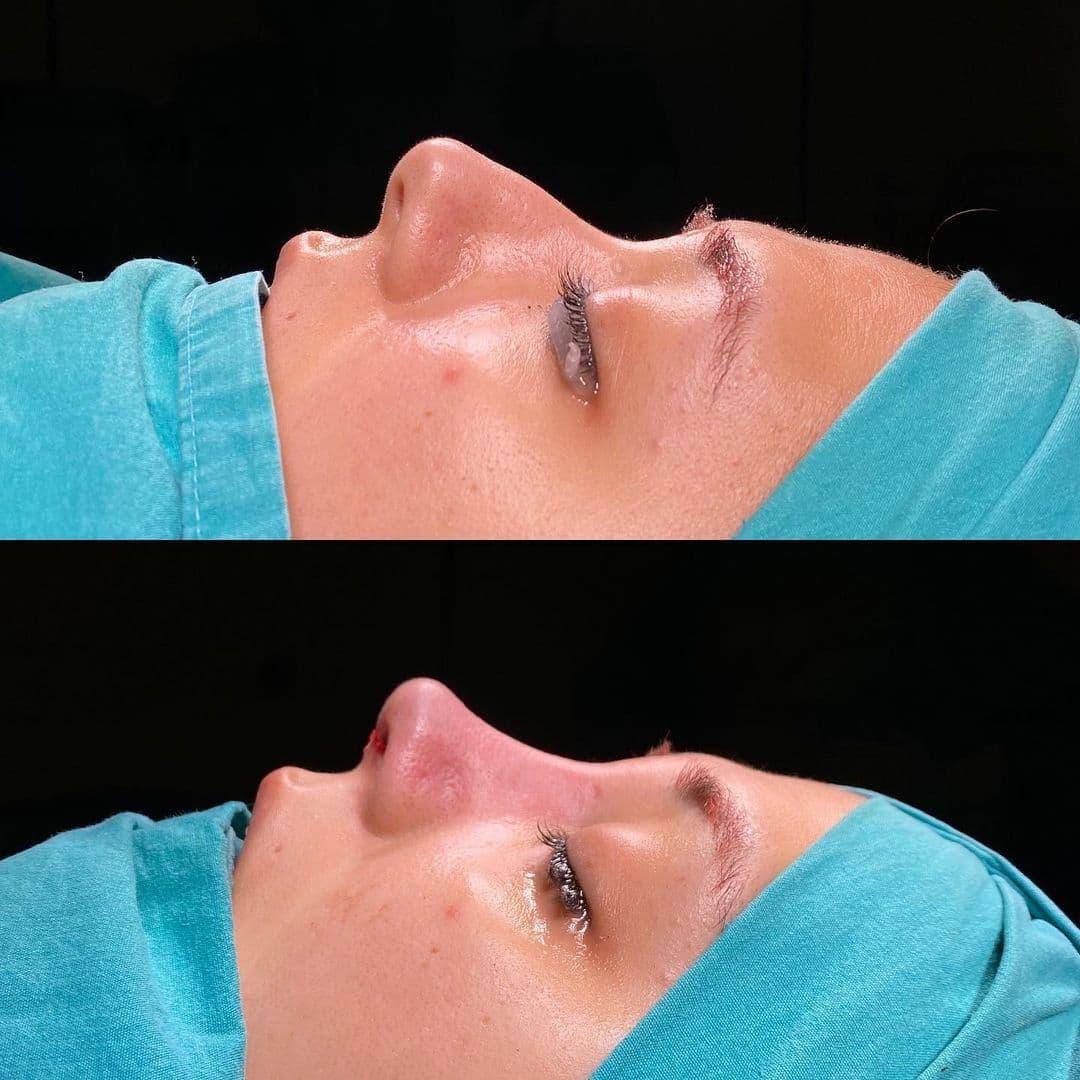
Rhinoplasty in Istanbul: Complete Cost, Recovery & Results Guide
Complete guide to rhinoplasty in Istanbul including why the city is the rhinoplasty capital, surgeon expertise, costs 60-70% lower than Europe, recovery timeline, and natural results.
Rhinoplasty
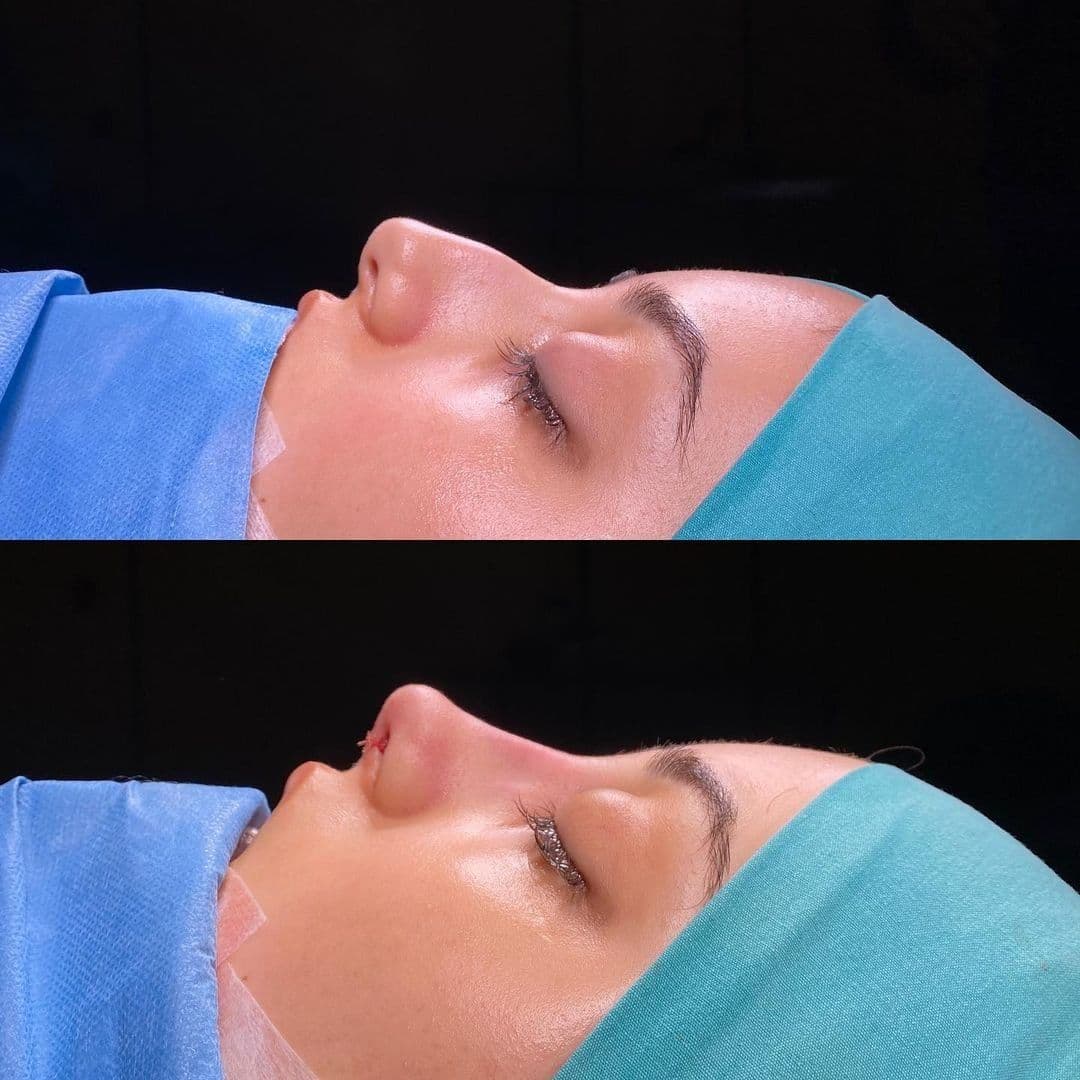
Open vs Closed Rhinoplasty: What's the Difference and Which Is Better?
Understand the key differences between open and closed rhinoplasty techniques, including scarring, recovery time, precision, and which is better for your specific needs.
Rhinoplasty
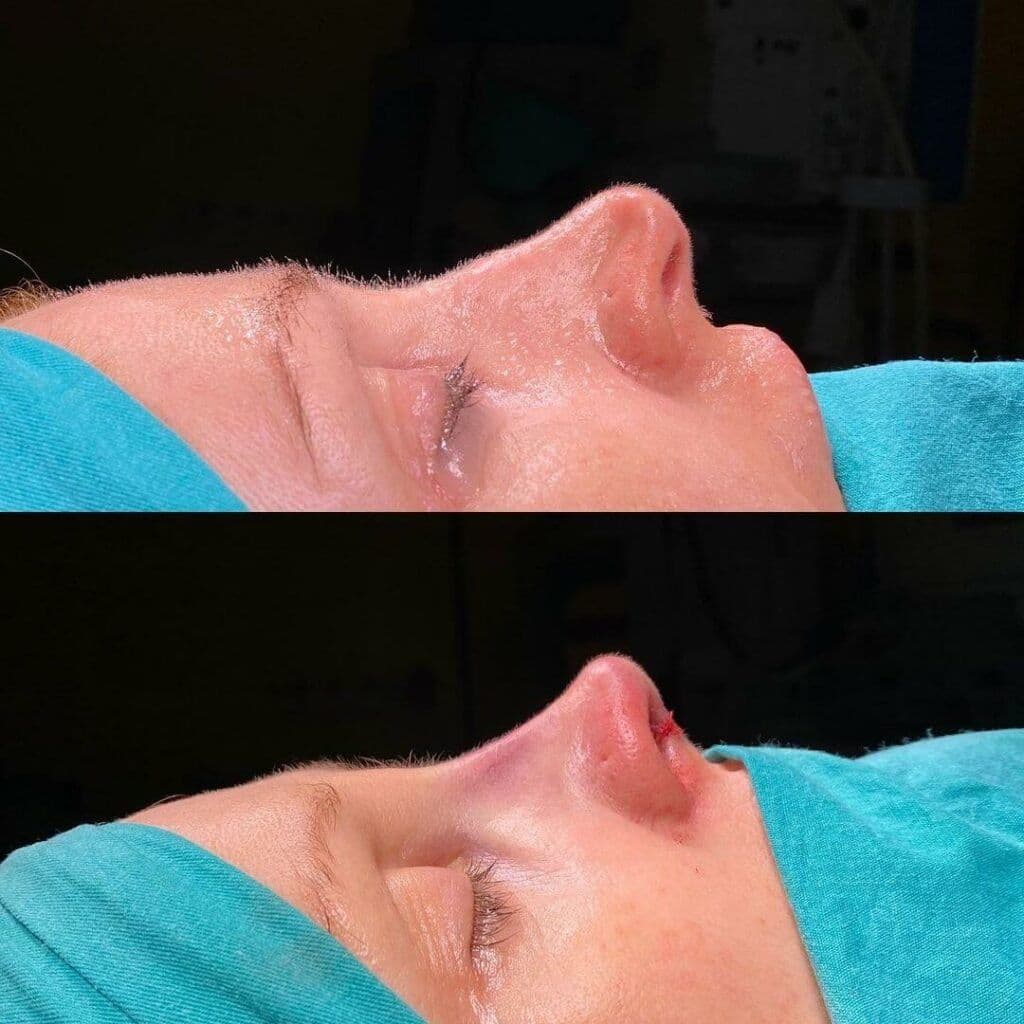
Rhinoplasty in Turkey: Is It Worth It? A Complete 2026 Guide
An honest answer to the question everyone Googles — is a rhinoplasty in Turkey actually worth it? Cost comparison, quality, risks, and the real checklist for deciding.