FACE
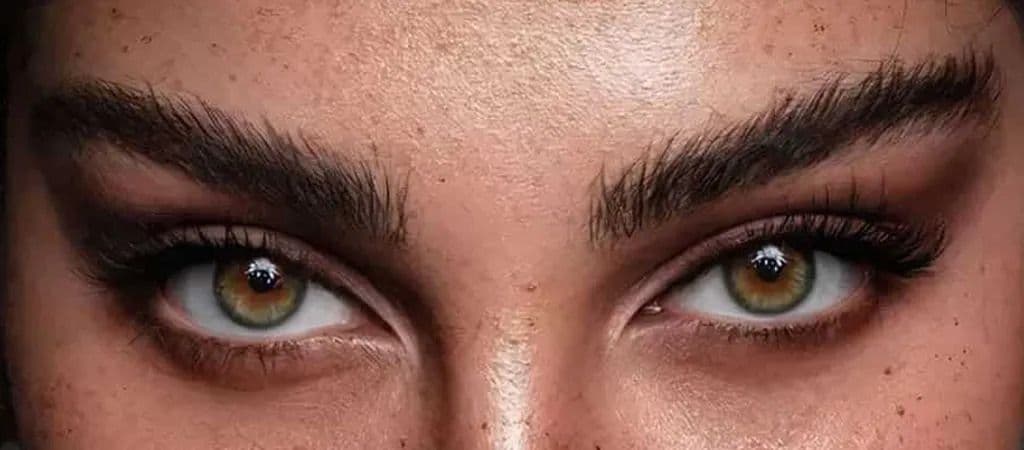
Fox Eye Surgery
Fox eye surgery in Istanbul — surgical lateral canthopexy (or canthoplasty when indicated) to lift and slightly angle the outer corner of the eye for an almond-shaped profile. Permanent result, unlike thread lifts. Medical oversight Dr. Güleş, JCI-accredited hospitals. All-inclusive package from €1,650.
from €2,800 All-inclusive
Trusted by 10,000+ international patients
JCIAccredited Hospitals
T.C.Ministry of Health Licensed
ISAPSBoard-Certified Surgeons
4.9 ★Trustpilot · 1,200+ reviews
15+ yrsYears of Experience
8,000+Procedures Performed
Get Your Free Consultation
Our medical team will review your case and send you a personalized treatment plan within 24 hours.
Global Price Comparison
Save up to 78% in Istanbul
Typical all-inclusive prices by country. Sources: ASPS, RealSelf, major UK/US clinic rate sheets, 2025.
🇹🇷
Turkey (Istanbul)
from €2,800
save 78%
🇬🇧
United Kingdom
from €10,500
🇺🇸
United States
from €12,500
🇮🇹
Italy
from €8,500
🇩🇪
Germany
from €9,000
Duration
1.5–2 hours
Anesthesia
Local + sedation
Hospital Stay
Day procedure
Back to Work
7–10 days
Recovery Time
1–2 weeks
Results Visible
2–3 months
Fox eye surgery — lateral canthopexy, with or without canthoplasty — is a precise operation that lifts and subtly angles the outer corner of the eye (the lateral canthus) to produce a more almond-shaped eye profile. It is the permanent surgical alternative to non-surgical "fox eye thread lifts" — which dissolve in six to twelve months and produce progressively disappointing results after the first session.
As with bichectomy and labiaplasty, the right framing for this operation is honesty about who it suits and who it does not. A well-performed fox-eye surgery on the right candidate produces a subtle, permanent refinement. An aggressive canthoplasty on the wrong candidate produces a pulled, unnatural appearance that is difficult to revise. The distance between those two outcomes is the candidate and the technique — and we are conservative on both.
Who the operation is suitable for
The right candidate has a laterally-descended lateral canthus (the outer eye corner sits low, producing a slightly "tired" or "round-eyed" appearance), wants a subtle permanent lift rather than a dramatic change, has realistic expectations (the result is a refinement, not a transformation), has not had multiple prior aggressive eyelid surgeries (scarring compromises canthopexy outcomes), and is prepared for a short recovery with visible bruising around the outer eye.
Patients who should not have this operation include those with already-high lateral canthi (the operation will produce an over-angled, feline appearance), those with significant lower-lid laxity (a different operation — canthoplasty combined with lower blepharoplasty — is the correct approach), and those expecting a dramatic transformation similar to the viral images online (those images are often heavily edited or the result of makeup/angle — real surgical results are subtle).
Canthopexy, canthoplasty — the technical distinction matters
Fox eye surgery is a general term. The actual procedure falls into two related but distinct categories, and at consultation we tell you which one your case requires.
Canthopexy is a suture-based elevation of the lateral canthus, without detaching the tendon. Less invasive, lower risk, more conservative result. The right choice for most aesthetic-indication cases where the anatomical change required is small.
Canthoplasty is a full reconstruction of the lateral canthal tendon, involving detachment and reattachment at a higher position. More invasive, higher risk, more dramatic result. The right choice when the lateral canthus is significantly low or when combined reconstructive indications exist — but seldom indicated for purely aesthetic "fox eye" cases, and we say so honestly.
A clinic that performs canthoplasty on every patient who asks for "fox eye" is performing unnecessary surgery with unnecessary risk. At consultation we explain which of the two is right for your case.
The surgery, step by step
Performed under local anaesthesia with light sedation. Duration forty-five minutes to one and a half hours. Day-surgery procedure — you return to the hotel the same afternoon. In a JCI-accredited hospital, with an anaesthesiologist available on request.
The incision is small and hidden in the upper or lower eyelid skin adjacent to the lateral canthus, depending on the technique. Sutures are fine, removed at day five to seven.
Recovery
Week 1
Visible bruising and swelling around the outer corner of the eye — this is the week you will not want to be photographed. Cold compresses for the first 48 hours. Sutures removed at day five to seven. No eye makeup for the first week.
Weeks 2–4
Bruising resolves progressively; most patients can cover residual discolouration with concealer from day ten. Return to professional life realistic between day seven and ten. No contact sport, no heavy lifting.
Months 2–6
Final shape settles over three to six months. The result is subtle by design — the outer canthus sits a few millimetres higher and slightly more angled, which reads in photographs as an almond-shaped eye, not as "pulled".
Risks and realistic expectations
Honest risks: over-correction producing an unnatural "pulled" look — the single most important risk, and the reason we are conservative at the operating table; under-correction requiring a minor revision (we prefer this side of the risk curve); asymmetries that may require a small touch-up; lower-lid malposition if the canthopexy is placed too laterally; scar visibility — typically minimal but depends on skin type.
The effect is subtle. Dramatic pre/post photographs circulating online are often either heavily edited or the result of combined procedures (fox eye + temporal brow lift + lateral eye filler). A real, isolated fox-eye surgery produces a refined change readable in photographs and in profile, not a face transformation.
Fox eye surgery or thread lifts — which is right?
If you want a temporary, non-surgical option with a six-to-twelve-month lifespan, PDO thread lifts can be a reasonable entry point. We do not perform them, but honest information is that they produce a subtle lift that dissolves over months and the technique is most useful for patients who want to "test" the aesthetic before committing to surgery.
If you want a permanent result and you have been disappointed by thread lifts, fox eye surgery is the correct next step — but only for the right anatomy. Canthopexy is permanent; it does not need repeating; and the result is a stable refinement that ages with the face.
Why Istanbul versus other destinations
Fox eye surgery is a millimetric operation where the difference between a natural result and a pulled one is measured in the precision of the canthopexy suture placement. Our surgeons perform eyelid-zone surgery weekly, in JCI-accredited hospitals, with conservative candidate selection.
**Dr. Mustafa Ekrem Güleş** approves every patient clinically before surgery.
Why not the €500 fox eye
On fox eye surgery, the rock-bottom price is paid in over-pulled permanent results that are difficult to revise. A clinic quoting fox eye at €500 often performs an aggressive canthoplasty on every patient (regardless of whether canthopexy would have been sufficient), without individual assessment, without pre-operative photographic planning.
What you pay for with us is verifiable: honest canthopexy-vs-canthoplasty assessment, conservative approach, pre-operative photographic planning, JCI-accredited hospital, follow-up at 1, 3 and 6 months via WhatsApp in English.
English-speaking team — from first message to six-month follow-up
Our team replies in English on WhatsApp, phone and email. From the first photo-based assessment to the six-month review, your contact is consistent and English-speaking.
Request your free quote — our team replies in UK/IE business hours and in a second window covering US Eastern through Australian morning. Photo-based pre-assessment on the same day.
Real Results
Before & After
Patient Stories
What Our Patients Say
Frequently Asked Questions
How long does fox eye surgery take?
Surgical fox eye (lateral canthopexy) takes around 90 minutes to 2 hours. A thread lift alternative takes 30-45 minutes.
Is fox eye surgery permanent?
The surgical lateral canthopexy gives a long-lasting, effectively permanent result. The non-surgical thread lift is temporary and lasts 8-12 months.
How much does fox eye surgery cost in Istanbul?
Surgical fox eye starts from €2,800 all-inclusive in Istanbul. Combined with upper blepharoplasty, expect around €3,800. Thread lift alternative is significantly lower.
What is the recovery time?
Most patients return to normal activities in 7 to 10 days. Swelling and bruising resolve by week two. The final settled result is visible at 2-3 months.
Can I combine fox eye surgery with blepharoplasty?
Yes — upper blepharoplasty is the most frequent combination. It addresses hooding and the lifted angle in one recovery.
What is the difference between thread lift and surgical fox eye?
Surgical canthopexy permanently repositions the canthal tendon. Thread lift places dissolvable PDO threads under the skin for a temporary 8-12 month lift.
Will it look natural?
With appropriate patient selection and a conservative lift, yes. We refuse cases where the anatomy would require over-correction to achieve the requested look.
What are the risks?
As with any eye-area surgery, risks include swelling, asymmetry, dry eye, and rarely scleral show. These are minimized with an experienced surgeon and realistic planning.
Deep Dive
All articles →Further Reading
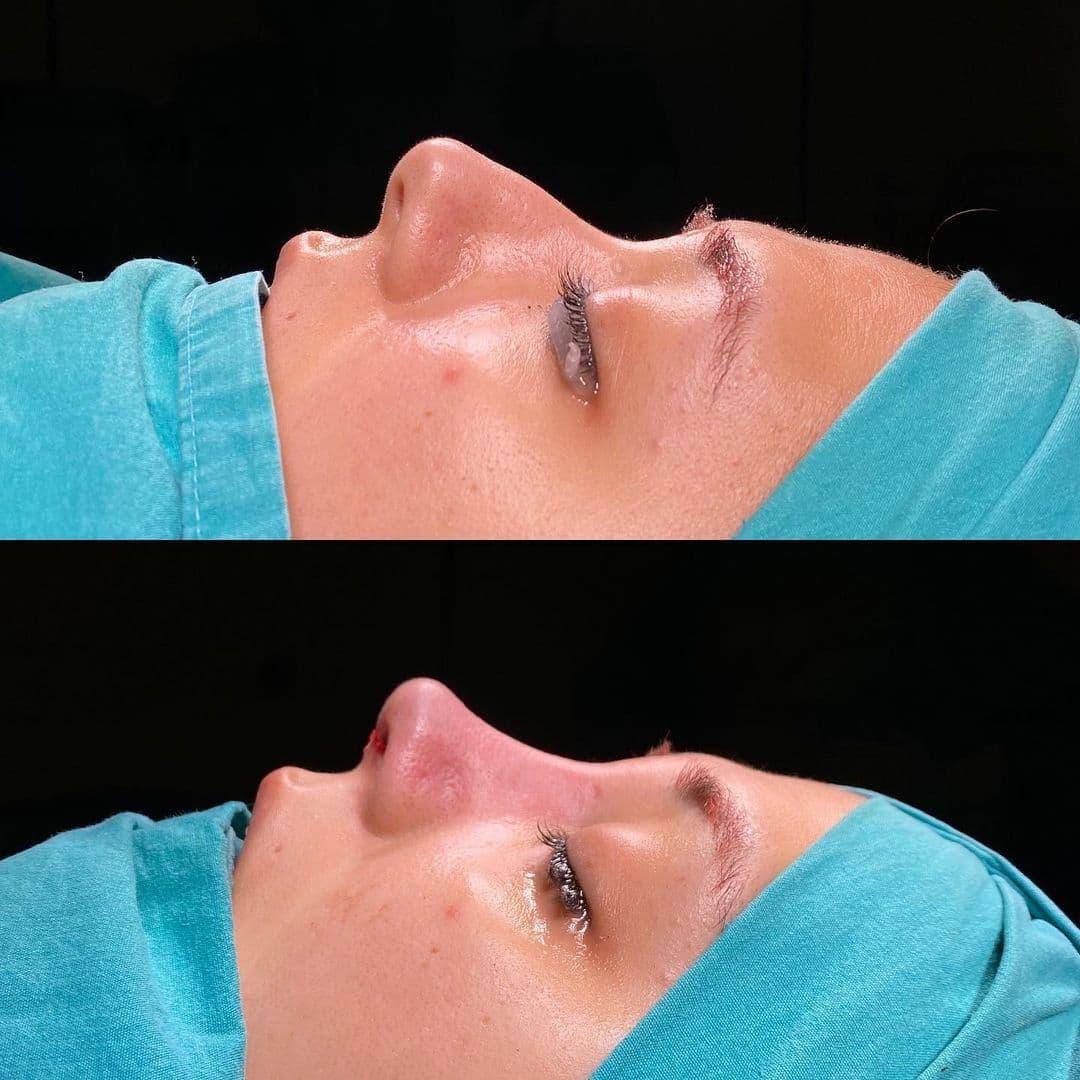
Rhinoplasty
Rhinoplasty in Istanbul: Complete Cost, Recovery & Results Guide
Complete guide to rhinoplasty in Istanbul including why the city is the rhinoplasty capital, surgeon expertise, costs 60-70% lower than Europe, recovery timeline, and natural results.
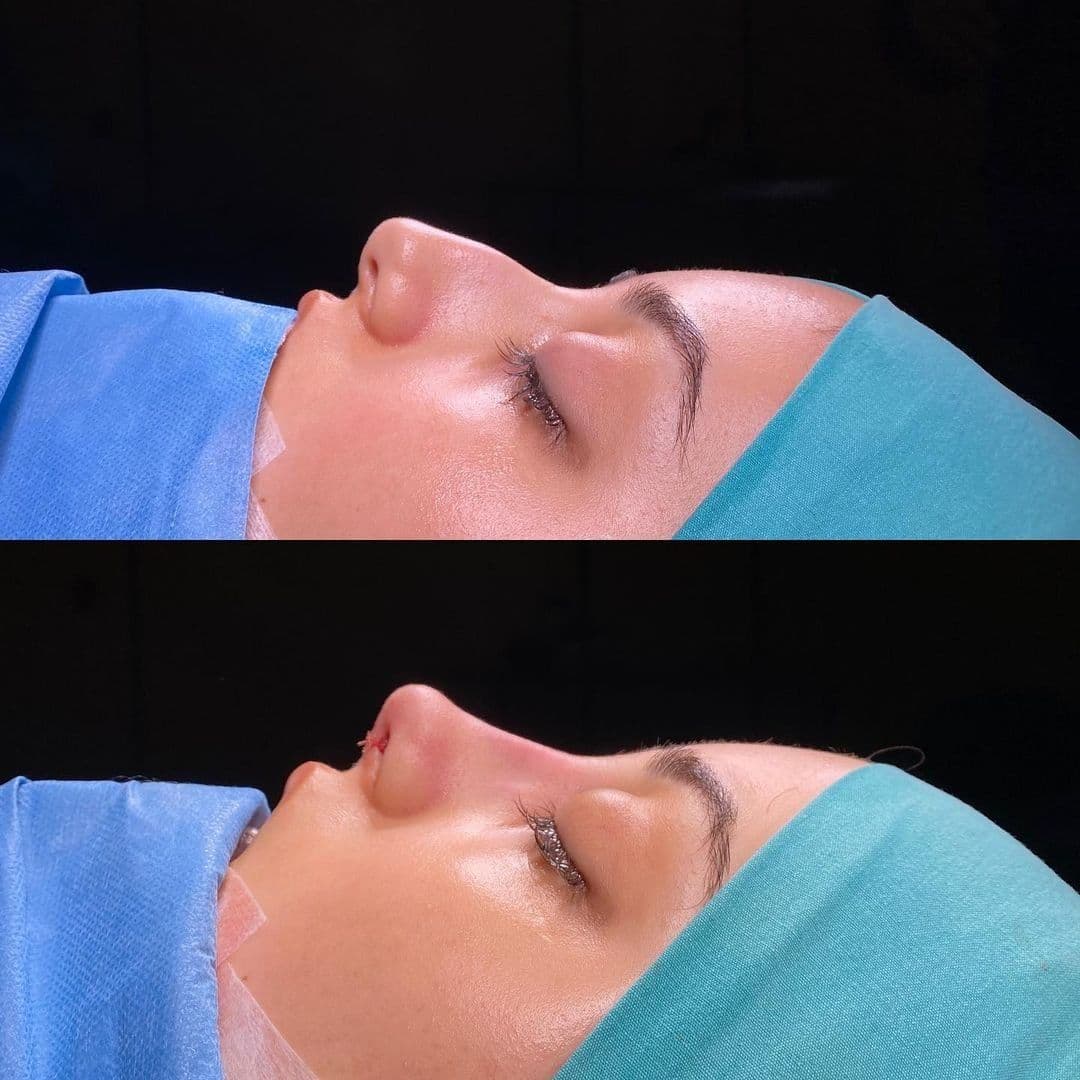
Rhinoplasty
Open vs Closed Rhinoplasty: What's the Difference and Which Is Better?
Understand the key differences between open and closed rhinoplasty techniques, including scarring, recovery time, precision, and which is better for your specific needs.
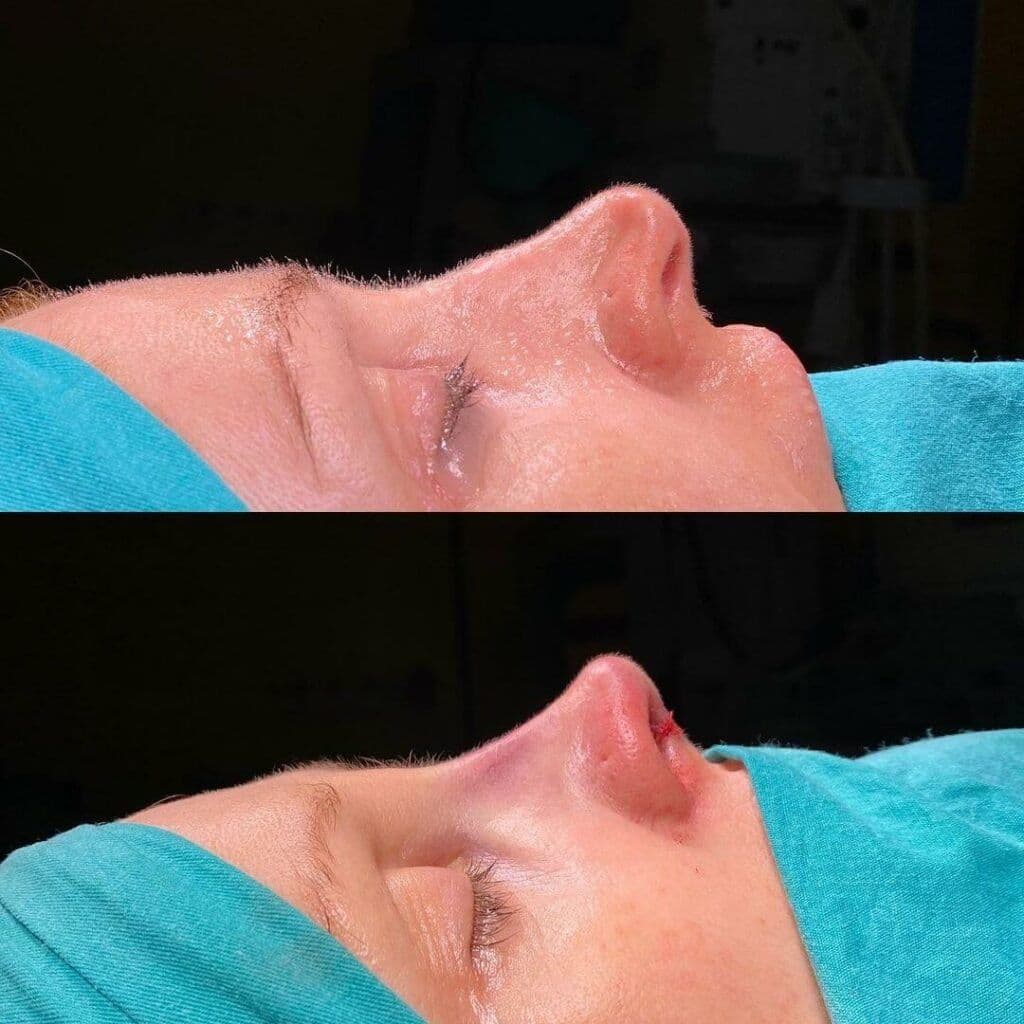
Rhinoplasty
Rhinoplasty in Turkey: Is It Worth It? A Complete 2026 Guide
An honest answer to the question everyone Googles — is a rhinoplasty in Turkey actually worth it? Cost comparison, quality, risks, and the real checklist for deciding.