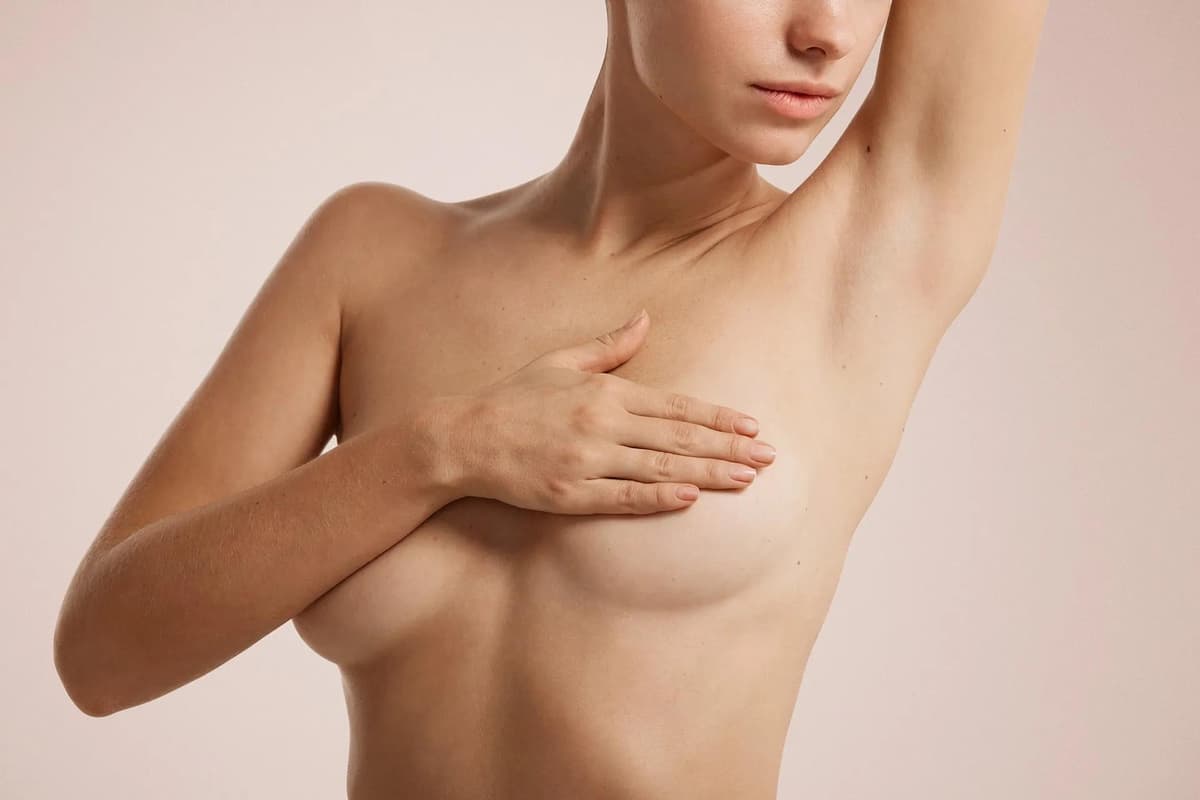
Breast Augmentation in Istanbul · All-Inclusive
The shape that still feels like you.
A natural-looking breast augmentation with premium Motiva or Mentor implants — performed by board-certified surgeons at Istanbul's JCI-accredited hospital. All-inclusive. Over 1,800 breast augmentations since 2017.
from€4,350$4,700£3,700CA$6,440A$7,090NZ$7,830· All-inclusive
JCI-accredited hospitalMotiva or Mentor implants · FDA-approvedTrustpilot 4.6 · Verified reviews
The All-Inclusive Package
Here's exactly what you get.
Total value
€8,850$9,560£7,520CA$13,100A$14,430NZ$15,930
Your price
€4,350$4,700£3,700CA$6,440A$7,090NZ$7,830
All-inclusive
Invoiced in EUR (€4,350) at current bank rate
Your deposit locks your price and your surgery date. Balance is paid in Istanbul. No hidden fees.
Real Results
Before & After
Your Week in Istanbul
Six days. Handled, end to end.
Day 1
You land. We take over.
VIP pickup at Istanbul airport. Check into your hotel. In-person consultation with your surgeon — implant sizing and shape, 3D simulation, markings, Q&A.
Day 2
Surgery day.
Pre-op bloodwork at the JCI hospital. 1.5–2 hour procedure under full anaesthesia. Night in hospital with 1:1 nursing.
Day 3
Light recovery.
Transfer to the hotel. First post-op check. Support-bra fitting. Short walks. Your coordinator is one WhatsApp away.
Days 4–5
You rest. We check in.
Second post-op check. Swelling settles, bruising softens. Optional Istanbul city drive once you feel up to it. Your body does the work.
Day 6
Final check. Fly home.
Final surgeon review. Scar-care routine and activity plan in your language. VIP transfer to airport. Follow-ups continue for 12 months.
Global Price Comparison
Save up to 78% in Istanbul
Typical all-inclusive prices by country. Sources: ASPS, RealSelf, major UK/US clinic rate sheets, 2025.
🇹🇷
Turkey (Istanbul)
from €4,350$4,700£3,700CA$6,440A$7,090NZ$7,830
save 78%
🇬🇧
United Kingdom
from €16,500$17,820£14,030CA$24,420A$26,900NZ$29,700
🇺🇸
United States
from €19,500$21,060£16,580CA$28,860A$31,780NZ$35,100
🇮🇹
Italy
from €13,000$14,040£11,050CA$19,240A$21,190NZ$23,400
🇩🇪
Germany
from €14,000$15,120£11,900CA$20,720A$22,820NZ$25,200
Patient Stories
What Our Patients Say
Risk Reversal
The Estetica Promise
You are about to trust us with your body, your femininity, your time, and your money. Here is what we promise in return — in writing, before you board the plane.
12-month revision clause
If within 12 months the result doesn't meet the plan you and your surgeon agreed on, we revise — at no surgical or hospital charge.
100% deposit refund window
Change your mind before your flight is booked? We refund your deposit in full. No questions, no asterisks.
Fixed, all-inclusive pricing
The number you are quoted is the number you pay. No "anaesthesia surcharge", no "implant upgrade fee", no day-of-surgery surprises. Written, signed, and in your language.
— Signed on behalf of the Estetica Istanbul surgical team.
Frequently Asked Questions
How much does breast augmentation cost in Istanbul?
Breast augmentation at Estetica Istanbul starts from EUR 3,200 all-inclusive with premium Motiva or Mentor implants. This covers surgery, hospital stay, hotel, transfers, and follow-up. The same procedure costs EUR 6,000 to 10,000 in the UK.
How long do breast implants last?
Modern implants are designed to last 15 to 20 years or longer. They do not have a fixed expiry date. You should have regular check-ups and an ultrasound every few years. Replacement is only needed if you experience a complication or want to change size.
What size implants should I get?
During consultation, our surgeon uses 3D imaging and sizer implants to help you visualise different volumes on your frame. The right size depends on your chest width, tissue coverage, and aesthetic goals. We guide you toward a proportionate result rather than just a cup size.
How painful is breast augmentation recovery?
The first 3 to 5 days involve moderate tightness and soreness, managed with prescribed painkillers. Most patients describe it as muscle soreness rather than sharp pain. By week 2, discomfort is minimal. You can return to desk work at 7 to 10 days.
Can I breastfeed after breast augmentation?
In most cases, yes. Implants placed under the muscle with an inframammary fold incision have the lowest impact on milk ducts. Our surgeon will discuss incision and placement options that preserve breastfeeding ability.
When can I exercise after breast augmentation?
Light walking from day 1. Upper body exercise is restricted for 6 weeks. Full gym activity, including chest exercises, is permitted at 8 weeks. A supportive sports bra is recommended for 3 months.
Valid until 2026-08-30
Summer 2026 all-inclusive pricing is locked through August — after that, our 2027 rates apply. Secure your price with a refundable deposit. Refundable until your flight is booked.
Get Your Free Consultation
Our medical team will review your case and send you a personalized treatment plan within 24 hours.
Learn more
Everything you need to know
Breast augmentation is the most frequently performed cosmetic surgery in the world, and one of the procedures with the highest long-term satisfaction rate — when it is planned carefully and placed in experienced hands. It can be performed with implants, with autologous fat transfer (lipofilling from your own body), or with a combination of the two.
Our team performs breast augmentations every week with a consistent method: careful pre-operative measurement, a considered implant choice, clean anatomical pocket dissection, and a post-operative protocol that prioritises comfort. You should come out of this feeling natural, balanced and in proportion — not "bigger for the sake of bigger".
Who breast augmentation is suitable for
You are a suitable candidate if you are in good health, have realistic expectations about volume and shape, and understand that breast implants require long-term monitoring — imaging surveillance and likely replacement after decades.
The most common profiles we see are women who want to restore volume after pregnancy or weight loss, women with naturally small or asymmetrical breasts seeking proportion and shape, women considering fat-transfer augmentation (lipofilling) as an implant-free alternative, and reconstruction patients after breast cancer surgery — reconstruction is a separate clinical pathway with its own dedicated consultation.
Choosing the implant
Next-generation implants are safer, more natural and more durable than those from ten or fifteen years ago. There are four main decisions.
How long do breast implants last?
Modern implants are not lifetime devices, but they are designed to last decades. The typical replacement window is fifteen to twenty years — sometimes sooner if a complication appears (capsular contracture, rupture detected on imaging), sometimes longer if everything stays stable. We recommend annual check-ups and ultrasound or MRI surveillance every few years after the ten-year mark.
Cohesive silicone or saline
Cohesive silicone implants — often called "gummy bear" — are our default choice. They look and feel closest to natural breast tissue and do not produce visible rippling in patients with thin soft-tissue coverage. Saline implants are available but are used rarely today.
Round or anatomical (teardrop)
Round implants give fullness in the upper pole. Anatomical implants follow the natural curve of the breast gland. Both produce natural results when matched correctly to your anatomy and goals. There is no abstract right answer — there is the right implant for your body.
Over or under the muscle
Submuscular placement (or dual-plane) gives a more natural upper-pole curve and reduces implant visibility in slender patients. Over-the-muscle placement has a faster recovery but is less forgiving in patients with limited breast tissue. Your surgeon will recommend placement after assessing your soft-tissue cover.
Incision: inframammary, periareolar or transaxillary
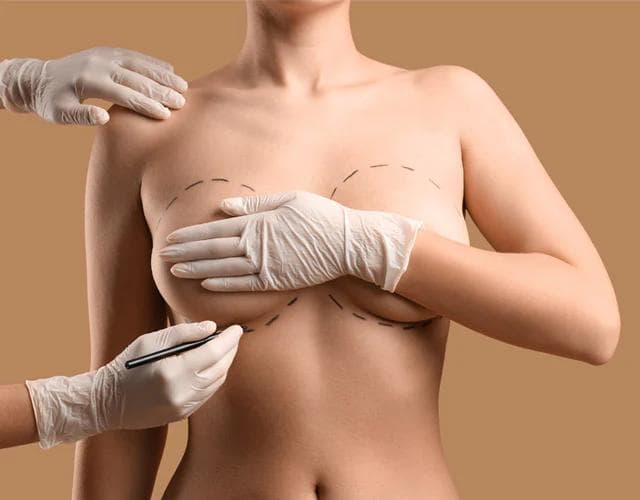
The inframammary incision (in the fold under the breast) is the gold standard: hidden in the crease, excellent surgical access, low complication rate. It is our first choice in most cases.
For specific anatomies we also use transaxillary (incision in the armpit, no scar on the breast — indicated for saline or certain pre-filled silicone implants), periareolar (around the lower edge of the areola, scar well-concealed when the areola-skin border is sharp, but it may interfere with future breastfeeding more than the inframammary route), and rarely transumbilical (TUBA — through the navel, saline only).
Fat-transfer breast augmentation
For women who want a moderate increase without implants, lipofilling — harvesting fat from the abdomen, flanks or thighs and grafting it into the breast — is a real alternative. The expected increase is approximately one to one-and-a-half cup sizes per session, with a soft, natural feel and no implant to manage for decades. Not all fat survives: around sixty per cent graft take is the expected figure.
Lipofilling is the right option when you have enough donor fat, want a natural appearance, and are content with a moderate increase. For larger increases, implants remain the correct tool.
The surgery, step by step
Breast augmentation is performed under general anaesthesia in a JCI-accredited hospital, with a dedicated anaesthesiologist present throughout. Surgery takes one to two hours. One overnight stay in hospital is standard.
The surgeon makes the chosen incision, creates the implant pocket in the selected plane, positions the implant, and closes in layers with absorbable sutures. A surgical support bra is applied at the end of the procedure.
Recovery
Week 1
A feeling of tightness across the chest and mild-to-moderate soreness — controlled with prescribed analgesics. You sleep on your back with the upper body slightly elevated. No lifting, no driving.
Weeks 2–3
Most patients return to desk work by the end of week one. Arm movements stay gentle — no pushing, no pulling, no overhead work.
Weeks 4–6
Light physical activity resumes. Swelling continues to subside. Implants "drop and fluff" into their final position over the next three months — a normal process that improves the breast shape.
Months 3–6
Final shape. Softness improves gradually. Scars begin to fade to fine lines.
Risks and realistic expectations
Breast augmentation is a safe procedure in experienced hands but it is not risk-free. The honest risks include capsular contracture (scar tissue tightening around the implant), rippling (visible ripples) in very slim patients, asymmetry that may require a small revision, and the probable implant replacement after fifteen to twenty years.
Breast implants are not lifetime devices. Plan for imaging surveillance and the prospect of a replacement decades down the line. Your surgeon will walk you through the BIA-ALCL monitoring protocol (a rare risk of lymphoma associated with specific textured implants) and every rare-but-real risk, without minimising anything to close the sale.
On Allergan Biocell specifically: those implants were recalled globally in 2019. We do not use them. The implants we offer — Motiva, Mentor, Allergan (current non-Biocell line) — are all CE-marked and FDA-cleared where applicable, with traceable lot numbers and manufacturer warranty.
Why Istanbul versus other destinations
Board-certified plastic surgeons, operating theatres in JCI-accredited hospitals, and named reference implants — **Motiva, Mentor, Allergan**. Not unnamed implants from Eastern European suppliers. The volume and experience of our surgeons compares favourably with any clinic in London, New York or Sydney, at a price that justifies the trip.
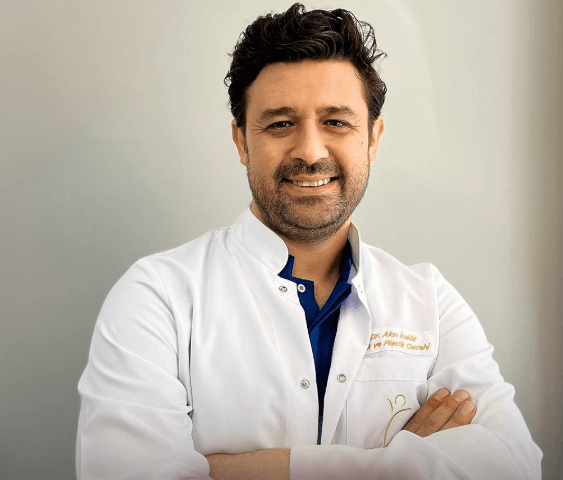
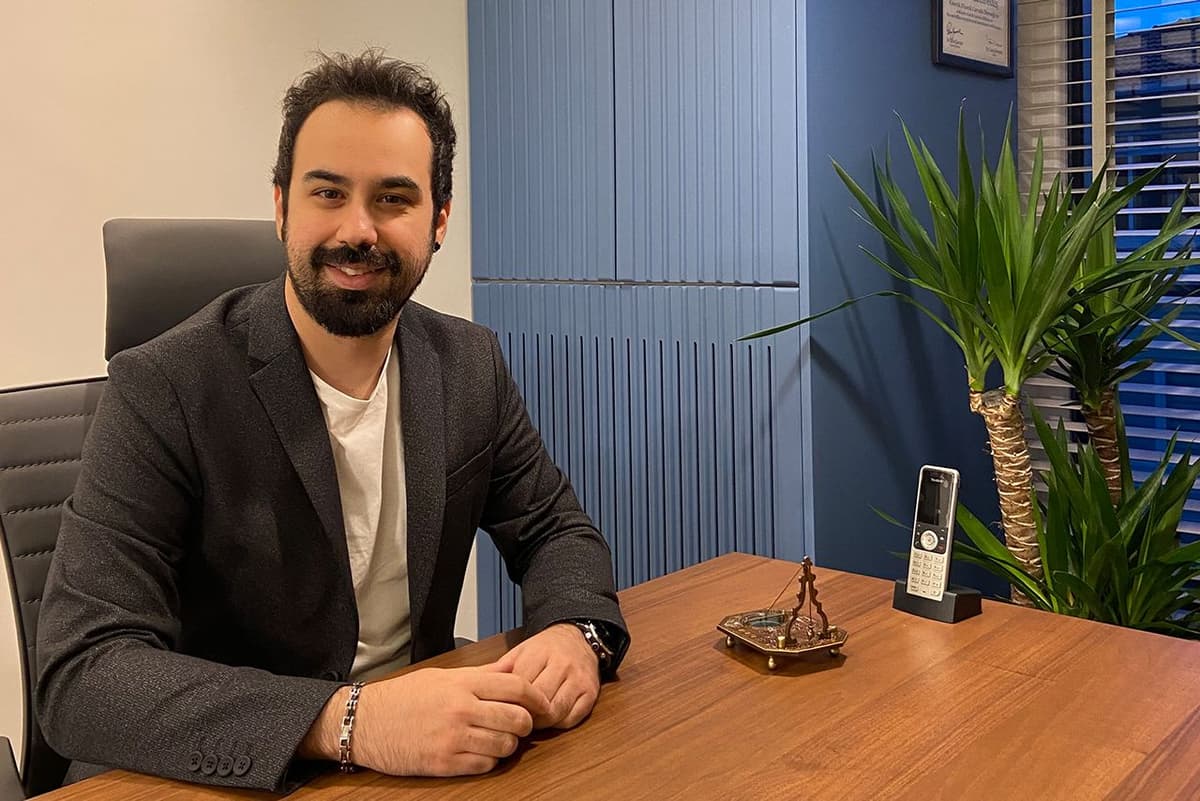
**Dr. Akın İnalöz** is our lead surgeon for breast augmentation and body contouring. He personally reviews every case before surgery. **Dr. Mustafa Ekrem Güleş** approves every patient clinically — no surgery proceeds without his sign-off.
Why not the €1,800 breast augmentation
On breast augmentation, a low price hides concrete choices you will pay for later. A clinic quoting €1,800 is cutting where it shouldn't: unbranded implants (or branded implants from an old discontinued line), anaesthesiologist billed by the hour rather than dedicated, no revision guarantee, no meaningful follow-up once you return home.
What you pay for with us is verifiable: Motiva, Mentor or Allergan implants with traceable lot numbers and manufacturer warranty; dedicated anaesthesiologist throughout; JCI-accredited hospital; oversight from Dr. İnalöz and Dr. Güleş; follow-up at 3, 6 and 12 months via WhatsApp in English. These are the things you find out are missing three years later, when it is too late to fix cheaply.
Compared to the other end of the market — US breast aug at $8–12K, Beverly Hills or Manhattan at $12–18K, UK private at £5–8K, Australia at AU$10–15K — you are not giving up standards. You are paying the difference between Turkish operating costs and Western ones, on the same implants and the same grade of hospital.
English-speaking team — from first message to twelve-month follow-up
Our team replies in English on WhatsApp, phone and email. From quote request to your twelve-month check-up, you speak to someone who understands your language and remembers your case. Questions about the surgical bra, sleeping positions, when to return to work, when to resume running — all of them deserve clear English answers in real time.
Request your free quote — our team replies in UK/IE business hours and in a second window covering US Eastern through Australian morning. Photo-based pre-assessment on the same day.

Deep Dive
All articles →Further Reading
Breast Surgery
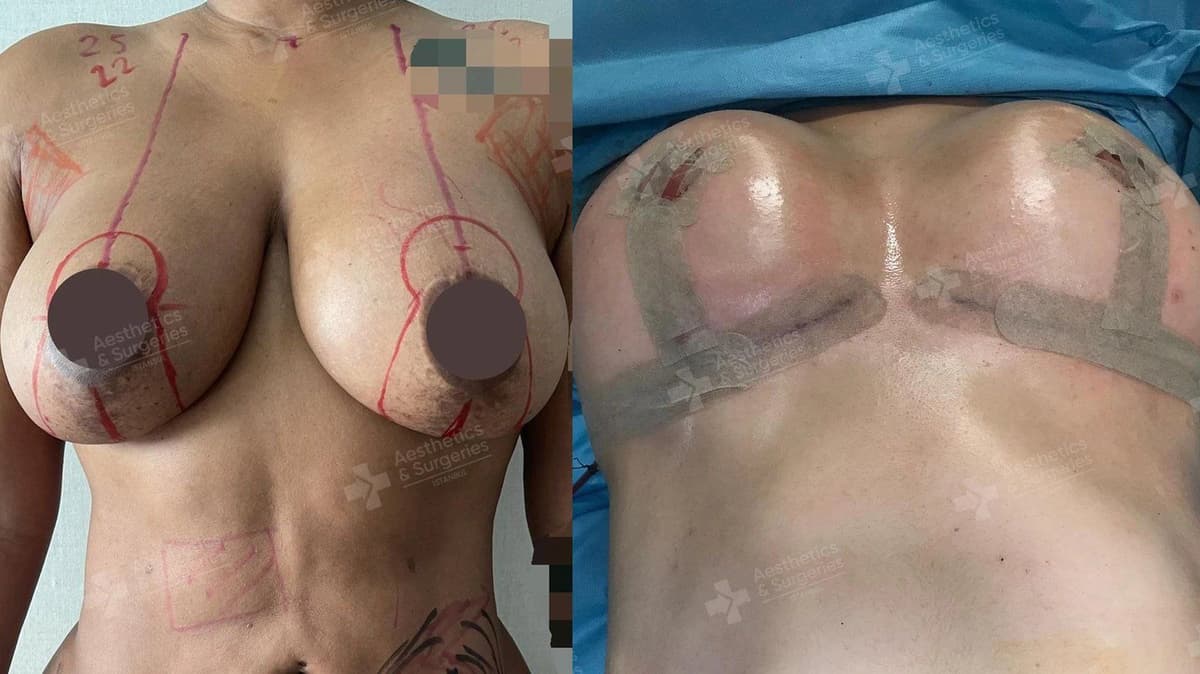
Which is Better Breast Lift or Breast Augmentation?
Today, breast augmentation and breast lift surgeries are popular surgeries. In this article, we compared the results of breast augmentation surgery and breast reduction surgery. We wish you enjoyable reading. What is Breast Augmentation? Breast...
Breast Surgery
How Do I Know If My Breast Aesthetics is Failing?
Breast surgery is a very popular procedure. However, as with any procedure, there is a possibility that breast surgery may fail. In this article, we talked about the symptoms of failed breast surgery and how you can correct this situation. We wish...

Breast Surgery
Are Breast Implants Permanent for Lifetime?
Breast implants have become a very common procedure in the field of plastic surgery. Many people prefer breast implants for breast augmentation or breast shape correction. In this article, we have given some information about breast implants. We...