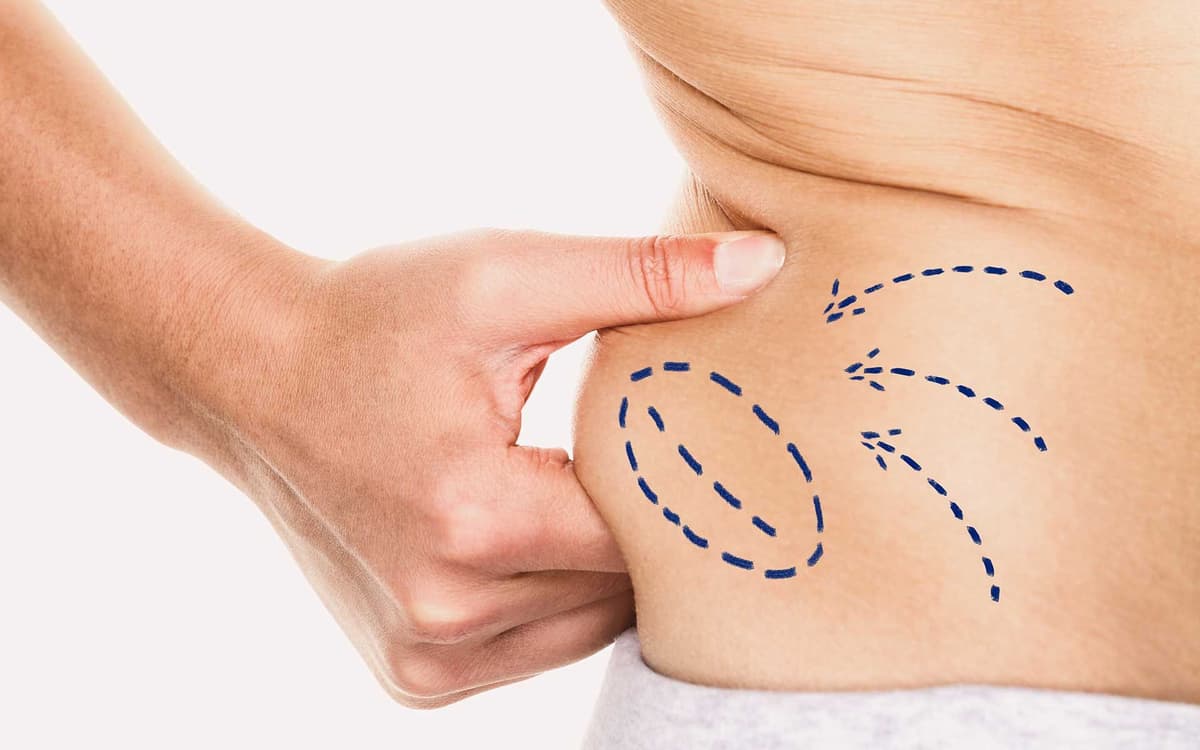
BODY
Liposuction
Targeted fat removal to contour the body, eliminate stubborn fat deposits, and improve body shape.
from €2,100 All-inclusive
Trusted by 10,000+ international patients
JCIAccredited Hospitals
T.C.Ministry of Health Licensed
ISAPSBoard-Certified Surgeons
4.9 ★Trustpilot · 1,200+ reviews
15+ yrsYears of Experience
8,000+Procedures Performed
Get Your Free Consultation
Our medical team will review your case and send you a personalized treatment plan within 24 hours.
Global Price Comparison
Save up to 78% in Istanbul
Typical all-inclusive prices by country. Sources: ASPS, RealSelf, major UK/US clinic rate sheets, 2025.
🇹🇷
Turkey (Istanbul)
from €2,100
save 78%
🇬🇧
United Kingdom
from €8,000
🇺🇸
United States
from €9,500
🇮🇹
Italy
from €6,500
🇩🇪
Germany
from €6,500
Duration
2–4 hours
Anesthesia
General anesthesia
Hospital Stay
1 night
Back to Work
5–7 days
Recovery Time
1–2 weeks
Results Visible
3–6 months
Liposuction removes localised fat deposits to reshape the body — not to lose weight. It is a contouring operation for areas where diet and exercise have reached their limit: the abdomen, flanks, thighs, arms, back, and under the chin.
Modern liposuction is a different operation from the blunt, bruising procedure of the 1990s. Today we use precise, often ultrasonic or laser-assisted techniques that selectively emulsify fat before removal, producing smoother results with less trauma and faster recovery.
Who is a good candidate?
Liposuction works best for patients who are close to their ideal weight, have good skin elasticity, and want to address specific stubborn areas.
- Close to target weight — typically within fifteen per cent of BMI 25.
- Good skin elasticity — skin needs to retract cleanly over the new contour.
- Localised fat deposits that have resisted diet and exercise.
- Generally healthy, non-smoking at time of surgery.
Liposuction is not a weight-loss operation. Patients with significant excess weight are better served by bariatric surgery first, followed by body contouring later.
Techniques we use
The fluid technique behind every modern lipo
Every modern liposuction, regardless of energy technology, begins with either "tumescent" or "super-wet" infiltration — large volumes of dilute local anaesthetic and adrenaline that numb the area, constrict blood vessels, and swell the fat to make it easier to remove. This is the step that dramatically reduced bruising and blood loss compared to older lipo. It is invisible to the patient but foundational to the result.
VASER liposuction
Ultrasonic-assisted lipo. Sound-wave energy emulsifies fat selectively before suction, sparing blood vessels and connective tissue. Result: less bruising, more precise contouring, and better skin tightening than traditional lipo. Our default for most cases.
Laser-assisted lipo
Heat from a laser fibre liquefies fat and stimulates mild skin tightening. Useful for smaller, more superficial areas and for patients where mild skin retraction is helpful.
HD / 4D liposuction
High-definition sculpting that etches the underlying muscle architecture — abs, pectorals, obliques. This is an advanced technique requiring an experienced operator and specific body conditions; results can be striking but demand a disciplined approach.
Classic tumescent lipo
The workhorse. Still the right tool for large-volume cases, back rolls, and areas where technology adds little.
Areas commonly treated
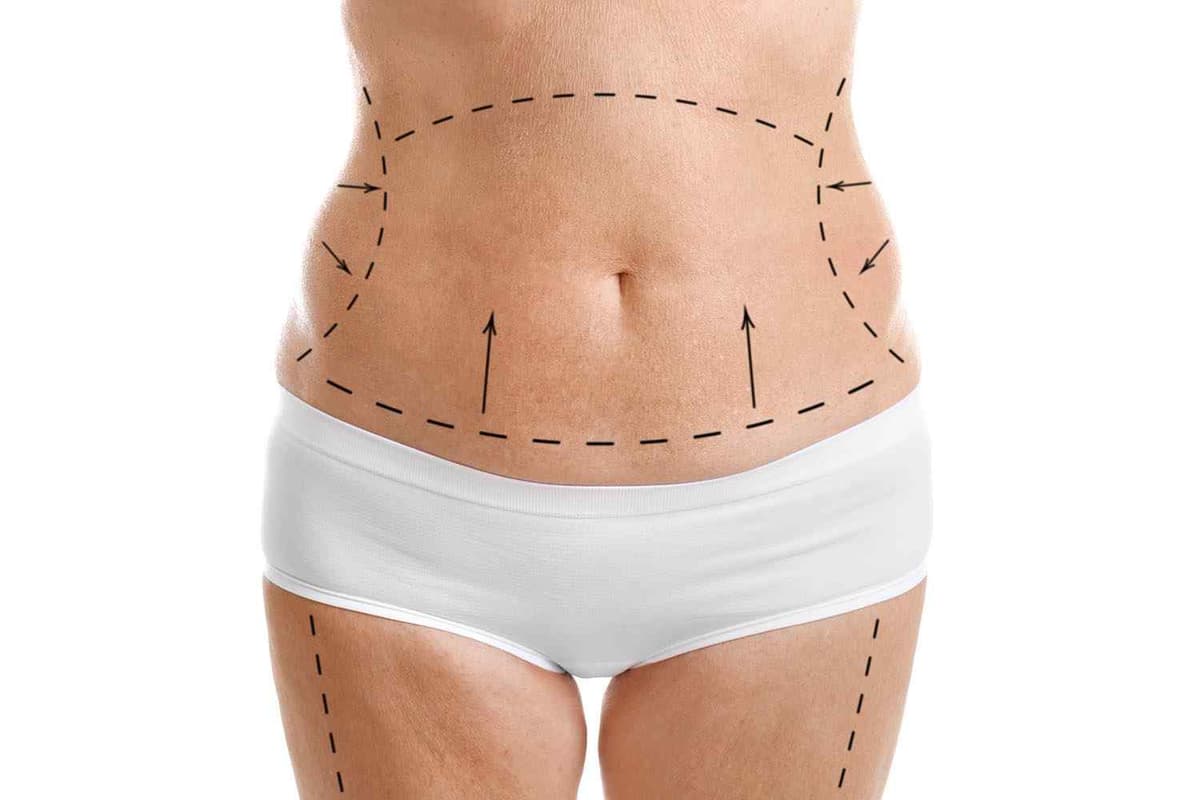
- Abdomen and flanks ("love handles") — the most-requested area.
- Thighs — inner, outer ("saddlebags"), and anterior.
- Arms — particularly the upper arm's posterior compartment.
- Back and bra roll.
- Submental (under the chin) and jawline.
- Calves and ankles — the most technically difficult area, requiring advanced experience.
- Lipo 360 — circumferential contouring of the entire waist in one session, often combined with BBL.
The procedure, step by step
Performed under general anaesthesia. Duration depends on the number of areas treated — typically two to four hours for standard cases, longer for 360-degree or combined procedures. One night in hospital is standard.
Tumescent fluid is infiltrated into the treatment area — this contains dilute local anaesthetic and adrenaline, which minimises bleeding and bruising. The surgeon then uses the selected technique (VASER, laser, or classic) to emulsify and remove fat through tiny, strategically placed cannula ports.
Recovery timeline
First 2 weeks
Compression garment worn twenty-four hours a day for two to four weeks depending on the treated areas. Soreness is moderate — more muscle-ache than pain for most patients. Lymphatic massage from day three onward accelerates recovery and improves the final contour.
Weeks 3–4
Bruising largely resolved. Swelling improving but still present. Light exercise resumes. Most patients are back to office work within five to seven days and to full social life by week two.
Months 1–3
Swelling continues to settle. The final shape begins to emerge. Compression may be reduced to night-only wear.
Months 3–6
Final result. Skin retraction — if going to happen — has mostly happened by this point.
Risks and realistic expectations
Honest risks: contour irregularities, asymmetry, fluid collections (seroma), and — in thin patients — skin laxity if retraction is incomplete. Heavy post-operative weight gain will distort your result because the remaining fat cells will enlarge disproportionately in untreated areas.
Liposuction is not a substitute for an abdominoplasty when excess skin is present. If the skin will not retract, you need a tummy tuck — or a tuck combined with lipo. Your surgeon will be honest with you about which you actually need.
Why Istanbul
High-volume plastic surgery ecosystem, European-standard theatres and equipment, and experienced operators who have seen every body type that walks through the door. The price gap with Western Europe is not about lower quality — it is about scale and cost of operation in Turkey.
What's Included
VIP airport transfer (pickup & drop-off)
Accommodation in 4-star partner hotel
Professional translator with 24/7 support
All hospital and surgery fees
Pre-operative blood tests & medical consultation
Anesthesia (general or local as required)
Post-operative medications & aftercare kit
1-year follow-up consultations
Dedicated WhatsApp patient coordinator (24/7)
Not Included
International flights to and from Istanbul
Additional hotel nights beyond the package
Personal expenses (minibar, spa, shopping)
Frequently Asked Questions
How much fat can be safely removed during liposuction?
Generally, surgeons safely remove between 2,000 to 5,000 milliliters (roughly 2-5 liters) of fat during a single liposuction procedure. The exact amount depends on your body's total blood volume and overall health. Your surgeon at Estetica Istanbul will determine the appropriate volume for your safe and optimal results during your consultation.
Is liposuction a weight loss procedure?
No, liposuction is not a weight loss procedure but rather a body contouring surgery. While fat removal does result in minor weight loss, the primary goal is sculpting and improving body shape. Patients typically experience a weight reduction of 5-15 pounds, though results are measured in improved proportions rather than significant weight loss.
What areas of the body can be treated with liposuction?
Liposuction can be performed on virtually any body area, including the abdomen, flanks, hips, thighs (inner and outer), knees, arms, back, chest, and chin. Our surgeons at Estetica Istanbul can create a customized treatment plan targeting your specific problem areas.
How long does liposuction surgery take?
The duration depends on the number of areas treated and the volume of fat to be removed. Typically, liposuction takes 1 to 3 hours. Treating multiple areas may extend the procedure time. Your surgeon will provide a specific timeline during your pre-operative consultation.
Can I combine liposuction with other cosmetic procedures?
Yes, liposuction is frequently combined with procedures like tummy tuck, breast surgery, or body lifts during a single surgical session. Many international patients opt for comprehensive body contouring during their visit to Turkey, making efficient use of their surgical journey.
Will the fat come back after liposuction?
The fat cells removed during liposuction are permanently eliminated and cannot regrow. However, remaining fat cells in treated and untreated areas can expand if you gain weight. Maintaining a stable weight through healthy diet and exercise ensures long-lasting results from your liposuction surgery.
What type of anesthesia is used for liposuction?
Depending on the extent of treatment, liposuction can be performed under local anesthesia with sedation, tumescent local anesthesia, or general anesthesia. Your surgeon and anesthesiologist will determine the most appropriate option during your pre-operative assessment at Estetica Istanbul.
How long is the recovery period after liposuction?
Most patients can return to light activities within 3-5 days and resume normal exercise by 4-6 weeks. Full recovery, including complete swelling resolution, typically takes 8-12 weeks. Wearing compression garments for 4-6 weeks optimizes healing and results.
What are the risks of liposuction surgery?
As with any surgical procedure, risks include temporary bruising and swelling, infection, nerve injury, and contour irregularities. Serious complications are rare, especially when performed by experienced surgeons at accredited facilities. Your surgeon at Estetica Istanbul will discuss all potential risks during your consultation.
Is liposuction permanent?
The results of liposuction are permanent in treated areas since the fat cells are surgically removed. However, maintaining your results requires weight stability. Significant weight gain can cause remaining fat cells to expand, affecting your sculpted appearance.
Related Procedures
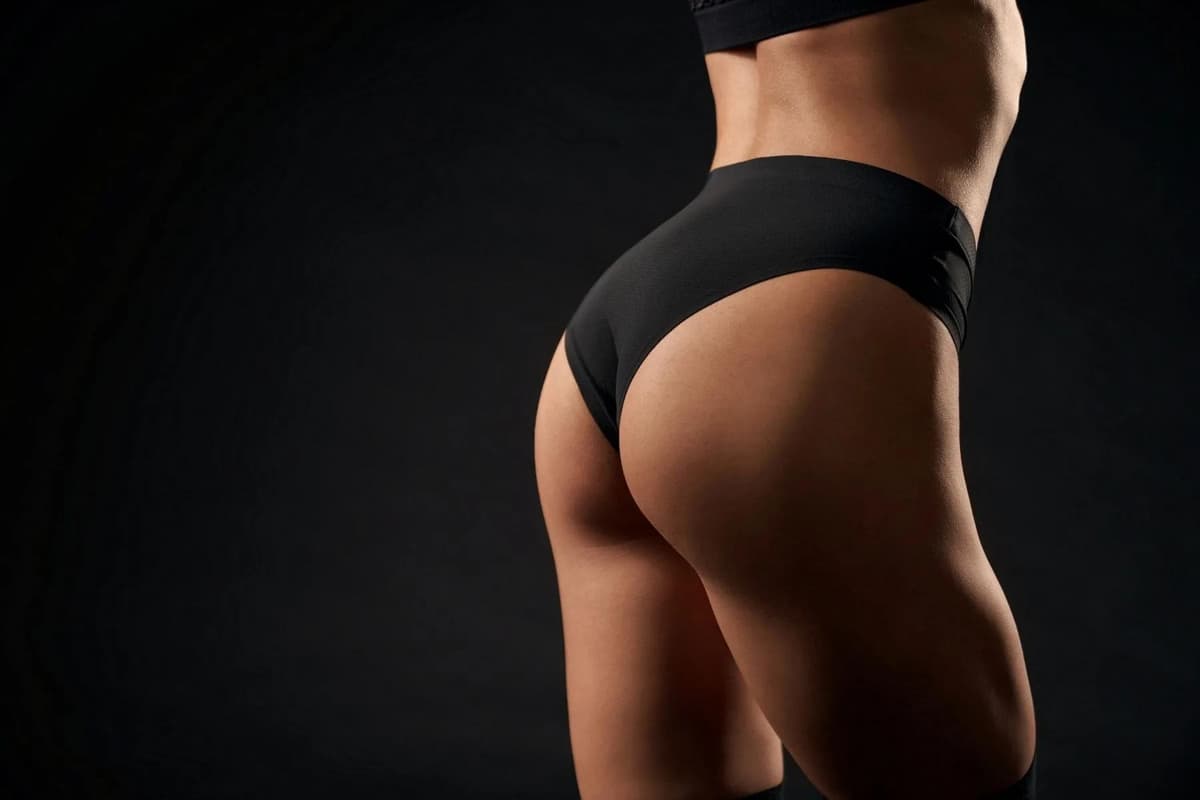
Ready to Begin Your Transformation?
Get Your Free ConsultationPrefer email? info@esteticaistanbul.com
Deep Dive
All articles →Further Reading
Body Contouring
Six Pack Surgery
What is Abdominal Etching? Six pack surgery is a surgical procedure performed to achieve a more defined abdominal muscle appearance. This surgery aims to reduce fat accumulation in the abdominal area and correct sagging skin. Thus, it allows the...
Body Contouring
Is a Brazilian Butt Lift Permanent?
Brazilian butt aesthetics is a procedure that has increased in popularity in recent years. People who will have this procedure may have the question "is brazilian butt aesthetics permanent?". In this article, we talked about the permanence of the...
Body Contouring
Botched BBL: BBL Revision Preparation
wp:paragraph If you have had a BBL procedure and cannot understand whether the results are unsuccessful, you can get information by reading our article. We wish you a pleasant reading. /wp:paragraph wp:heading Botched BBL /wp:heading ...